

Photography by Soff Garavano Puw (@soff_garavano)
It arrived in Florida in late 2024, and the whole ecosystem changed. An invasive insect from South Asia, the two-spot cotton leafhopper is now causing havoc in America. Currently in more than 100 counties across nine states, you need to start protecting your home, landscaping, or crops from this invasive pest. Leafhoppers have become a major nuisance because they are extremely destructive pests that can cause severe damage to certain vegetation, including plants, fruits, vegetables, ornamentals, and shrubs. Homeowners with young plants may be affected more because leafhoppers often cause significantly more damage to new growth.
Learn more about the two-spot cotton leafhopper, so you can start creating a pest control plan that meets your needs.
What Does the Leafhopper Eat
While initially, the two-spot cotton leafhopper was detected in Florida on cotton plants, it has now spread to Georgia, Alabama, South Carolina, North Carolina, Texas, Mississippi, Tennessee, and Louisiana. In these states, the leafhopper focuses on ornamental plants in residential landscaping, including:
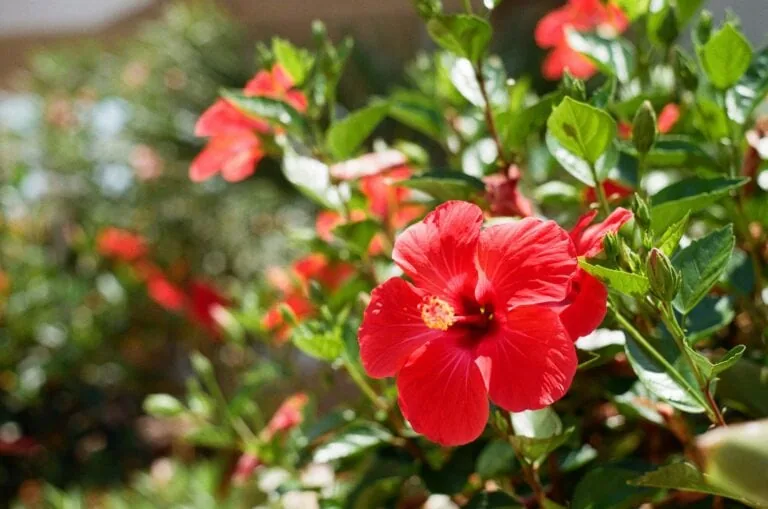
- Hibiscus
- Roses
- Poinsettias
- Marigold
- Sunflower
This pest has also been spotted on vegetable and fruit plants, like watermelon, okra, grapevines, cucumber, tomato, and eggplant. The extent of potential host plants is currently unknown, so you may spot damage from the two-spot cotton leafhopper on other herbs and ornamental plants. Just because you don’t grow the listed plants doesn’t mean you’re safe!
Signs the Leafhopper is Affecting Your Home
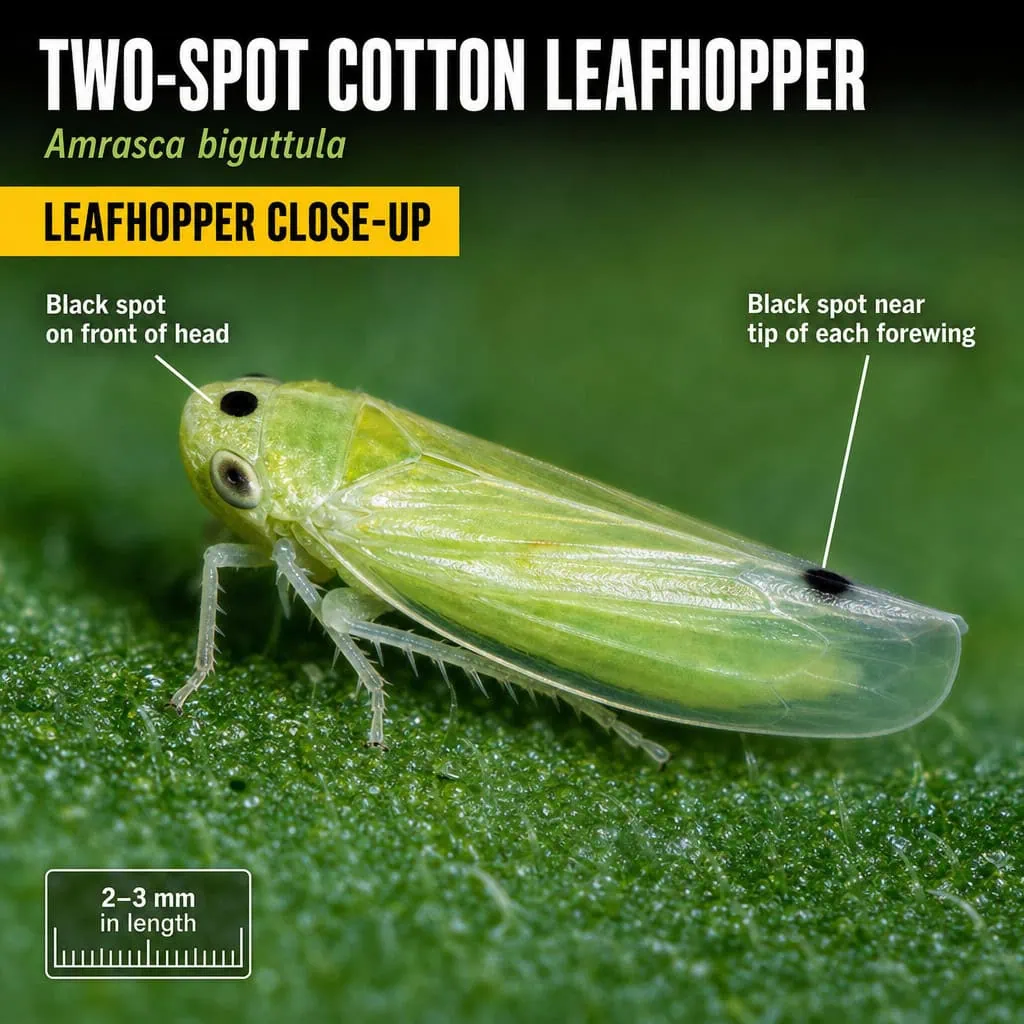
Due to its coloring, the two-spot cotton leafhopper easily blends into plant life, making it hard to spot. These pests are an opalescent light green hue and typically measure between two and three millimeters long. The key feature responsible for identifying the leafhopper is the two dark spots on the tips of its wings. Because of its effective camouflage, the two-spot cotton leafhopper is often only detected by the damage it leaves behind.
“The earliest visible sign of a leafhopper infestation is when you start to see small white or yellow spots on the leaves. Pay very close attention to the plant leaf; the sure sign of leafhopper damage is leaf curl at the tip when the new leaf grows out.” says Jerry Wang, pest control specialist and owner of DIYPestWarehouse.
Damage & Symptoms
Signs that the leafhopper is already established in your landscaping include bronzed, curled leaves on affected plants. Early symptoms often show up as yellowing at the leaf margins, later developing into brown, necrotic areas. When the leaves curl, it indicates prolonged injury and a fully developed infestation.
“Prevention is key to keeping your plants from becoming hosts for this pest, but if you don’t catch an invasion right away, you still have options,” Jerry adds.
How to Protect Your Plants

Photography by Look Up Look Down Photography (@greg_nunes)
Due to the fact that this is a newer invasive pest, research into prevention strategies is still ongoing. However, you can take action to protect your plants. One of the most effective prevention methods is keeping the area clean of weeds and debris. Make sure plant leaves are not covered by other materials or surrounding overgrowth, and consider applying neem oil as an easy prevention step.
Plant Inspections: Only buy new plants from nurseries you trust. Inspect any new plants and lumber for signs of two-spot cotton leafhopper activity and quarantine them until you’re sure they’re safe. People often introduce plants into their gardens or landscapes that may already be infested with insects or may already have diseases. It’s best to inspect plants before planting to make sure they are healthy.
Natural Pest Suppression: You have a few biological control options, as some other insects prey on the leafhopper, including minute pirate bugs and green lacewings. Both of these beneficial insects can suppress leafhopper populations by feeding on both adult and larval leafhoppers.
Monitoring: Using sticky traps can help you detect the leafhopper early. Place sticky cards every 1,000 square feet to detect adults, while checking the underside of the leaves to find eggs and nymphs.
“It is always much easier to prevent any type of infestation by being proactive than by waiting until the issue spreads. Early detection often eliminates the problem easily.”
Chemical Suppression: Standard pyrethroids are typically the default choice for pest control, but they don’t work on the leafhopper. Instead, the most effective active ingredients to look for, in order of efficacy, include Tolfenpyrad, Bidenthrin, Acephate, and Flonicamid. Choose your ideal chemical suppression method based on application site and action type.
Chemical Suppression Notes
Tolfenpyrad: The most effective option with the same efficacy rate against male and female leafhoppers. Offers direct action and residual action in greenhouses, nurseries, landscaping, and shadehouses.
Bidenthrin: Similar efficacy rate as Tolfenpyrad for males, but only ⅔ as effective against females. Delivers direct and residual action in greenhouses, nurseries, and landscaping.
Acephate: Higher success rate against males of the leafhopper population. Ideal for both direct and residual action in greenhouses, nurseries, and landscaping.
Flonicamid: You can count on direct action only in greenhouses, nurseries, and landscaping.
How to Use Chemical Suppression
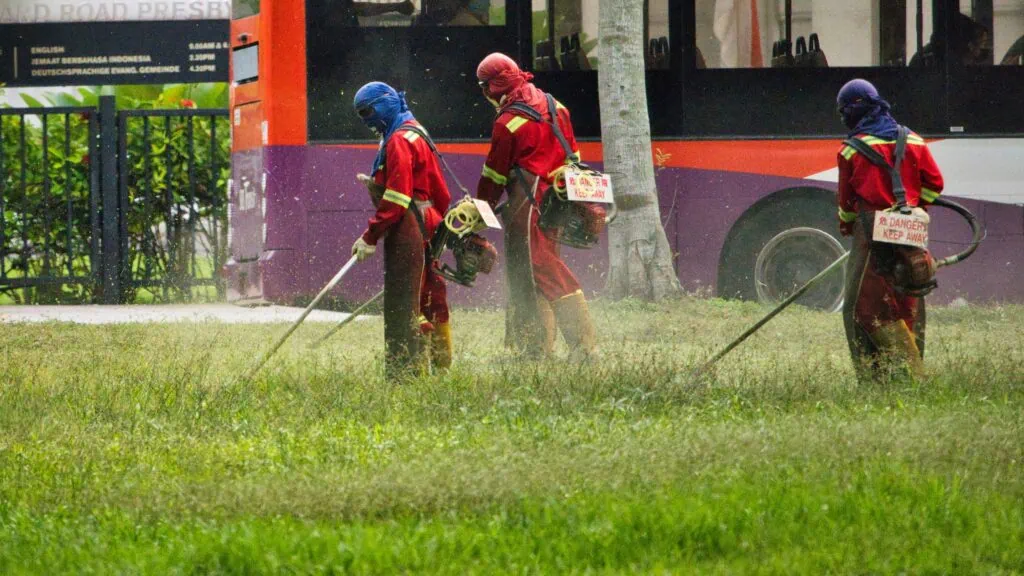
If chemical suppression is your primary choice to avoid a leafhopper infestation, please follow all the instructions on the pesticide label to ensure the best results while protecting the environment, people, and animals in the area. Labels will have information on necessary protective equipment, approved plants, and application intervals.
Success in the Long Term
The best strategy for successful protection from leafhoppers, as this invasive pest becomes more problematic, is a combination of prevention and suppression. Always inspect new plants entering your property, monitor existing plants for any signs of damage, and utilize chemical suppression to mitigate the chances of the infestation taking hold.
With these tips for pest control, you should be able to DIY a solution for the two-spot cotton leafhopper. Protect your garden and ornamental plants when you plan a strategy based on this guide.