


By Marcelo V. Guimarães, Marketing Director, Maximo Wood
Marcelo V. Guimarães, Marketing Director at Maximo Wood, envisions a future where sustainable lumber is accessible to all. Guided by a deep respect for nature, he believes that responsible use is the only way to keep forests—and their communities—alive and thriving.
For decks, cladding, pergolas and municipal boardwalks, tropical wood species are known to be dense, durable and beautiful. Most of the U.S. imports come from South America’s vast forests with Brazil being the number one trading partner. Last year, 1.6 million cubic feet (46,000 cubic meters) of sawn tropical hardwoods came from Brazil. Despite the love affair with rich tropical hardwoods, home enthusiasts and contractors have likely come across the myths around rainforest deforestation. There have been accounts and statistics surrounding the rainforest’s beauty, biodiversity, and even its destruction, making some hesitant to use it. When the staff of Maximo Wood journeyed to the state of Para in Brazil, to get a full picture of what their sustainable brand of wood really means and the story behind it, they learned about the myths and facts that may surprise every wood user.

Tropical hardwoods are known for their beauty and durability. (Shown: Maximo SableWood)
The Myth of the Endless Forest — and the Reality of Smart Culling
The Amazon is not just a forest, but a micro-world within a world, rich in flora, fauna, traditions, and science. It’s a place where conservation and commerce are not enemies but unlikely partners in a delicate balance. And most importantly, it’s a place where the truth is often more surprising—and more hopeful—than the myths.
The vastness of the Amazon can be mind-boggling, with close to 2 million square miles of dense, vibrant forest stretching across nine countries. It’s easy to imagine it as limitless, but this sense of an endless supply of trees has contributed to exploitation and reckless harvesting. One common myth is that all logging in the Amazon is destructive and even removing a single tree can cause degradation of the forest. But sustainable logging is not logging in the conventional sense, but land stewardship—grounded in agriscience, legal practices and generations of local knowledge.
Logging Does Not Have to Compete with Conservation
As the team shadowed forestry engineers, biologists and local guides, the forest came alive with medicinal plants, animals, rare fungi, and tropical bird calls throughout the canopy. Trees had been marked, mapped using GPS and studied over the years. The foresters discussed whether a tree should be harvested this year or five years from now– based on growth patterns and soil conditions. And, a tree nursery that raises native seedlings for replanting efforts was part of a long-term strategy that ensures sustainability isn’t just a slogan but a lifecycle.
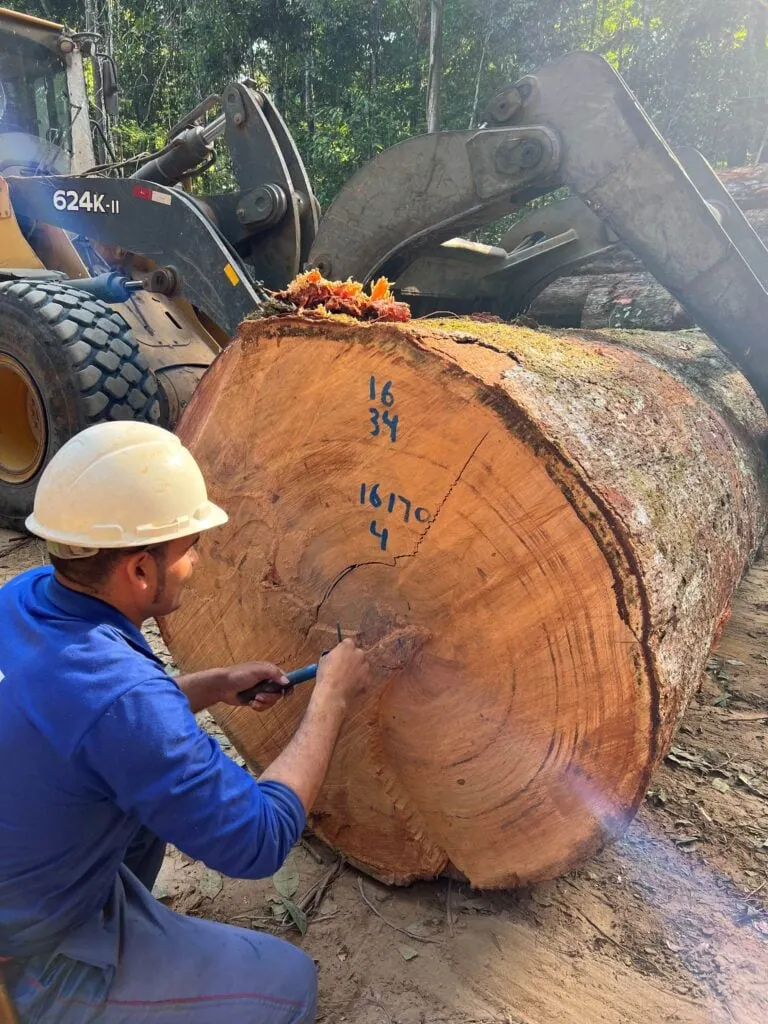
Trees are marked, mapped and studied using GPS over many years to determine harvesting.
For example, the entire forest is divided into 35 distinct sections, known as talhões. Each year, only one section is selectively harvested. The following year, another, etc. It takes 35 full years before harvesters return to the same area. This is an example of selective, careful culling that is legally overseen and enforced, and often certified by the FSC (Forest Stewardship Council), which ensures responsible forest management. Trees are cataloged one by one. Only mature trees are chosen, and even then, only a select few per 2.5 acres. This gives younger trees space to grow and the forest time to regenerate naturally.
This form of intelligent stewardship allows new growth and life to flourish under the canopy. Much of this involves timing in carbon sequestration. Every mature tree acts as a living carbon vault, storing CO₂ absorbed over decades. But if left too long, even the strongest trees will eventually die, fall, and release that carbon back into the atmosphere as they decay. This is why harvesting trees at the right moment before this happens locks in that carbon. It turns a perishable asset into long-term piece of furniture, floor or beam that will store CO₂ for generations rather than release it. The rainforest harvesters have asserted that proper forest management can amplify nature’s own carbon strategy.
The Drone Image That Said It All
The other myth that may be surprising is the reality of economics. Land owners in these areas need to make a living and if they have no market for lumber, they will burn it down to raise cattle and farm the land. When the Maximo team flew a drone over the managed forest area, it was lush, green and intact. But when it crossed into a privately owned property where no sustainable practices were followed, it looked like a wasteland. The land had been completely stripped of trees, flattened, and converted into pasture for cattle.
In the managed area, the forest canopy was dense, broken only occasionally by carefully chosen harvest paths. It provided a vision into the future if sustainable lumber harvesting was discontinued. The real enemy of the rainforest is not responsible foresters who follow legal practices, but unchecked cattle ranching and agricultural expansion. The kind that replaces biodiversity with monoculture and turns thousands of years of forest into dust. It is very clear from the drone photo, which tells the whole story.
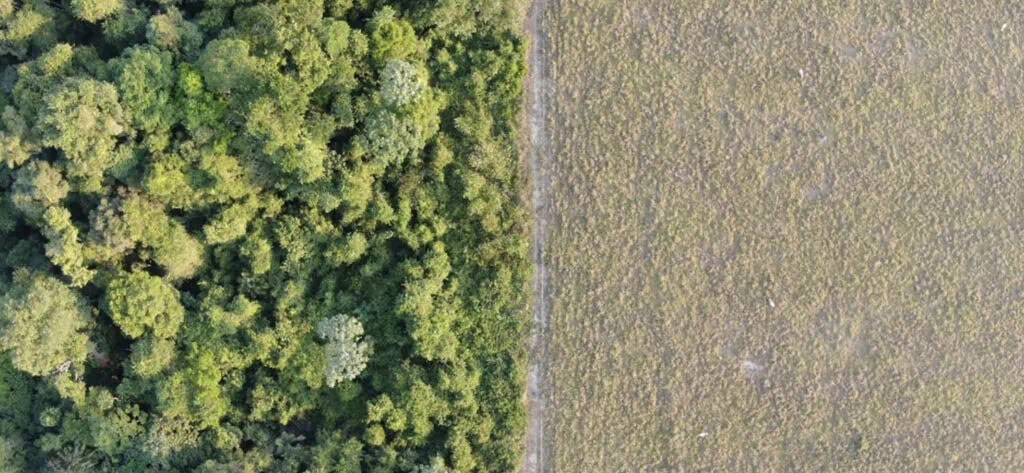
The real enemy of the rainforest: unchecked agricultural and cattle ranching.
FSC Recognition
Maximo Wood created a documentary-style video during their journey to the Amazon. It captured the beauty of the rainforest but also showed the discipline, science, and commitment of the people managing the forest.
The Forest Stewardship Council (FSC) General Assembly selected the video to open its global ceremony in Bali, Indonesia in October 2022—recognizing the company’s alignment with international best practices and environmental ethics.
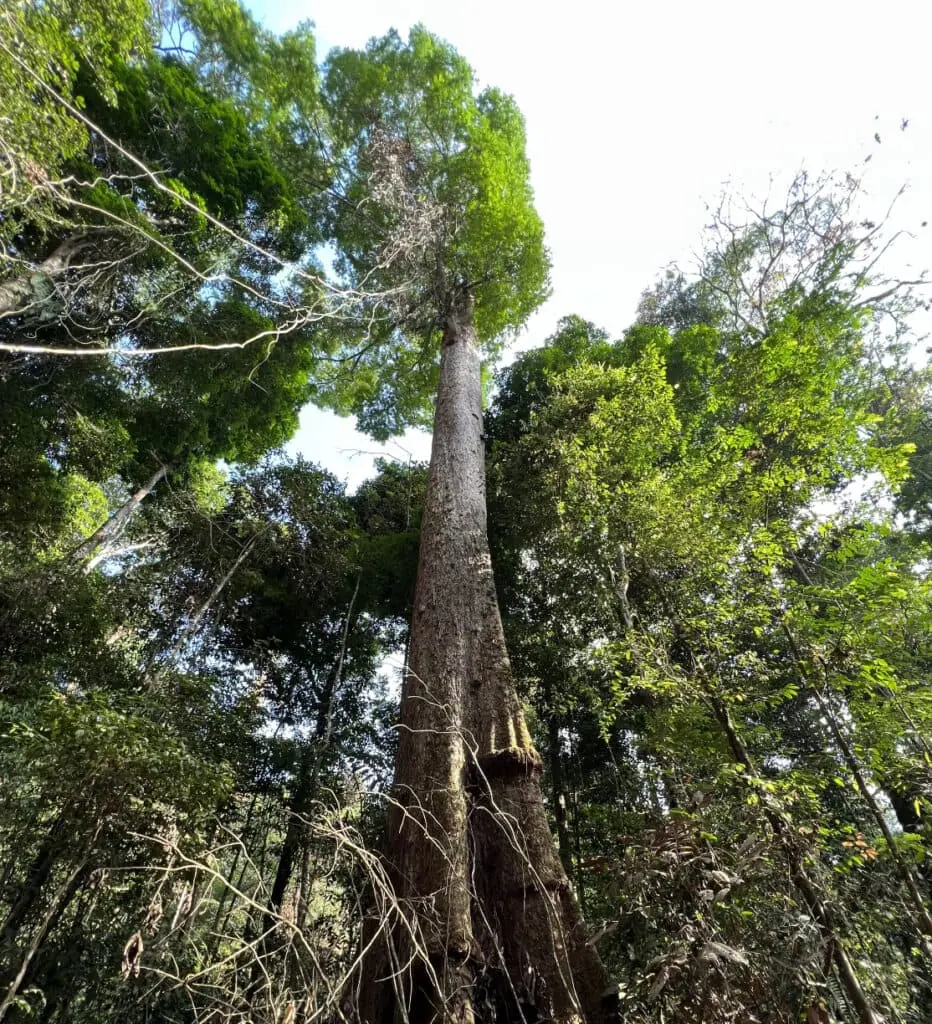
Enforcement and FSC stewardship allows new growth and life to flourish under the canopy.
Where the Money Goes: Schools, Clinics, and Roads
Sustainable forestry is important, as mentioned to the surrounding communities. Timber revenues help build schools and provide renewable energy, as well as qualified teachers; health clinics and access roads. These would not be possible without the timber industry.
Moving Past Myths
Too often, the myths around the Amazon portray it as either a pristine paradise that must be left untouched or a devastated wasteland beyond saving. But the real Amazon is a living, working forest. And it can thrive when we manage it with intelligence and oversight.
Seeing the Forest Through the Trees
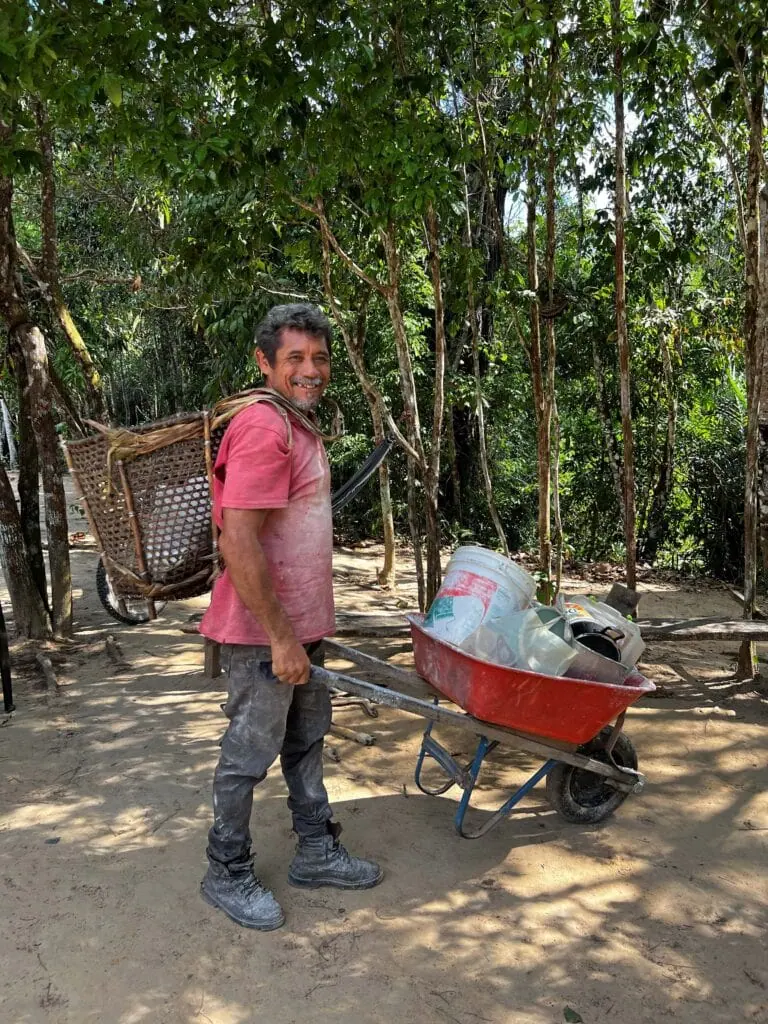
The takeaway is that responsible logging is one of the best ways to keep the forest alive and that it has to be worth more standing than burned or cleared to make way for agriculture. Seeking out certified, legally harvested lumber is important when homeowners and contractors make their selections for their decks, outdoor structures, cladding and wood interiors. They can enjoy the rich beauty and know that the lush forests and communities around them are flourishing.