

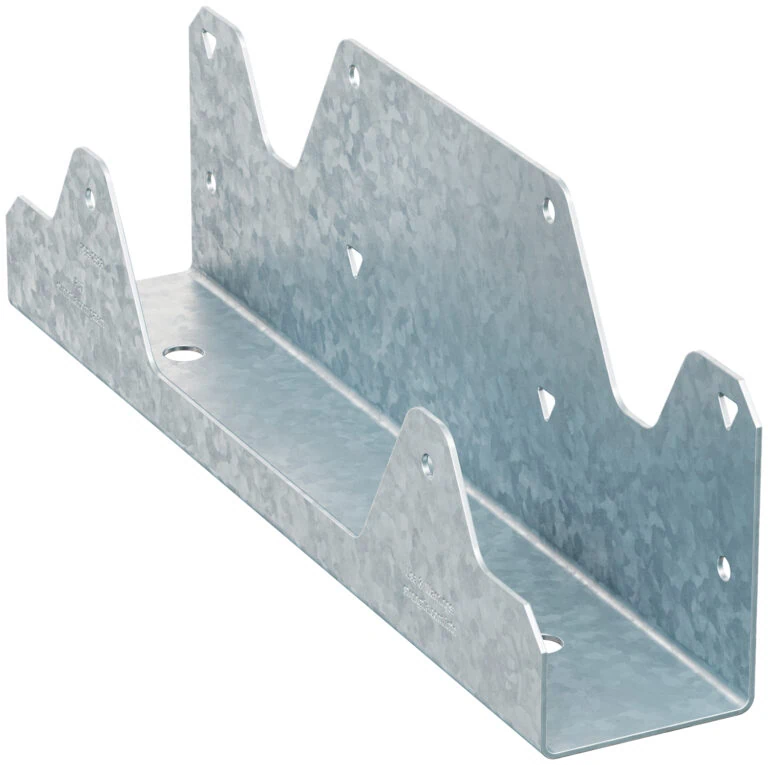
The PFPS24 Purlin Splice Connector Reduces Costs, Enhances Installation Efficiency for Post Frame Construction
Simpson Strong-Tie, the leader in engineered structural connectors and building solutions, has introduced the PFPS24 purlin splice connector for post frame construction. Designed to simplify roof purlin connections, the PFPS24 eliminates the need to offset and overlap purlins, keeping them in line along the entire length of a gable roof. The connector’s design enhances purlin and roof panel installation efficiency and improves fastener alignment; furthermore, it reduces material costs by allowing the use of shorter, more economical purlin stock.
With minimum and maximum fastener options, the PFPS24 purlin splice connector provides value engineering opportunities depending on load requirements; a minimum fastener pattern can reduce installed fasteners by up to four per connector, lowering labor costs without compromising compliance. Its unique design also allows connectors to be doubled up for increased capacity where needed.
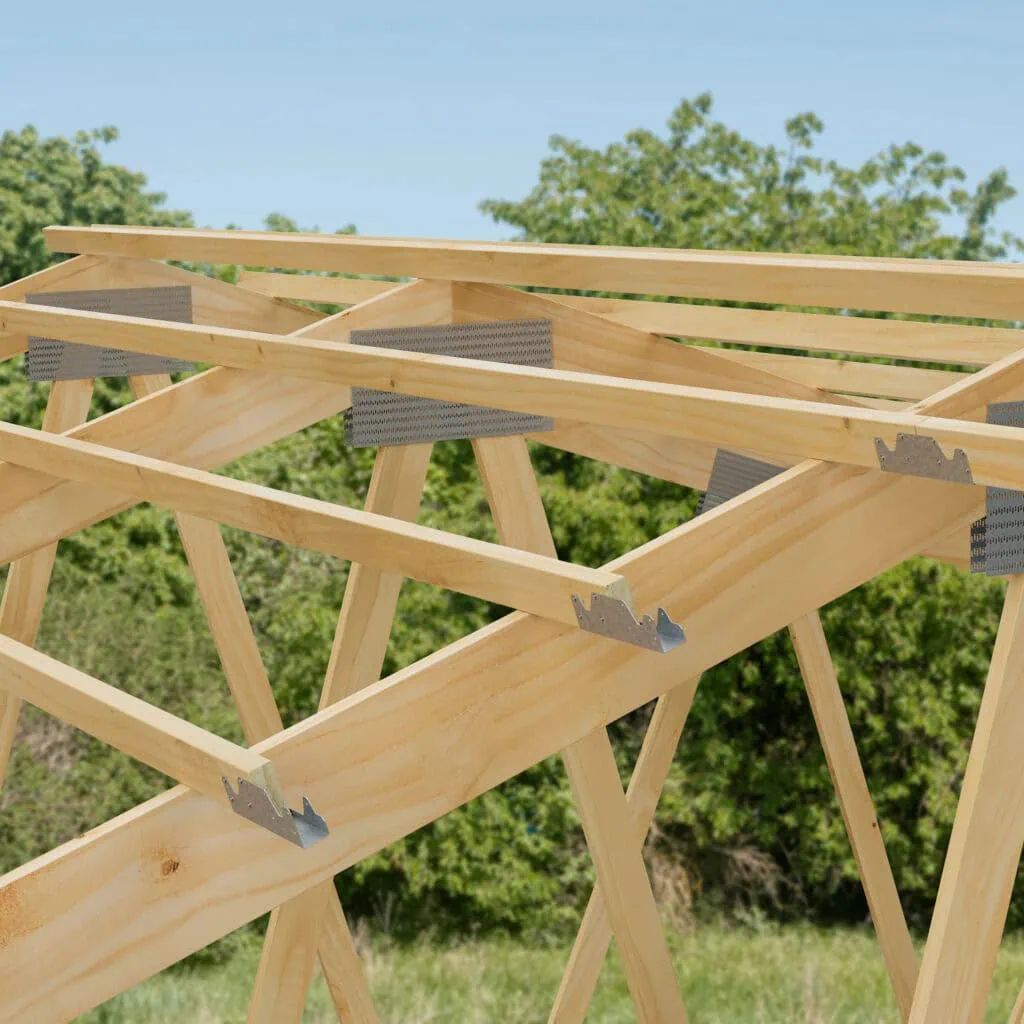
In addition, by keeping purlins aligned, the connector eliminates staggered roof panel fasteners, reducing risk of misinstallation.
“The innovative design of the PFPS24 purlin splice connector enhances its versatility and simplifies installation,” said Randy Daudet, group product manager for Simpson Strong-Tie. “As a result, post frame construction is stronger, faster and more efficient.”
The PFPS24 purlin splice connector is fully tested to ensure strength, durability and peace of mind for specifiers and builders. It provides tested load values for both nail and screw fastening options.
To learn more, visit www.strongtie.com.