

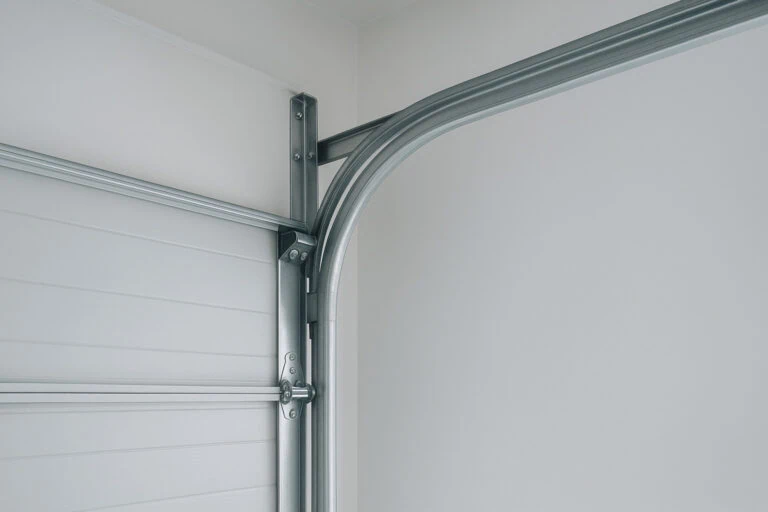
Regular maintenance of your garage door is essential to ensure it operates smoothly and to prevent costly repairs. By performing simple DIY checks, you can keep your garage door in top condition and extend its lifespan.
Checking the alignment and balance of your garage door is crucial for its optimal performance. A well-aligned and balanced door prevents damage, ensures safety, and prolongs the door’s life. While minor adjustments can be handled with basic tools, more complex issues may require professional assistance, such as A1 Garage Door cable repair service.
The importance of alignment and balance
Garage doors endure daily wear and tear, which can lead to misalignment or imbalance over time. Proper alignment ensures the door moves smoothly along its tracks without obstruction. An imbalanced door can strain the opener system, potentially leading to breakdowns. Recognizing these problems early can prevent expensive repairs.
Signs of an imbalanced door include uneven movement or unusual noises during operation. These symptoms suggest that the springs, cables or tracks may not be functioning correctly. Addressing these issues promptly helps maintain the structural integrity of the door and its components.
Moreover, an unbalanced door poses a risk to household members, as it could close unexpectedly or with increased force. Regular inspections are necessary to ensure safety and preserve the functionality of your garage space.
Temperature fluctuations and seasonal changes can significantly impact your garage door’s alignment and balance. During winter months, metal components may contract, while summer heat can cause expansion, affecting the door’s performance. Regular adjustments throughout the year help compensate for these natural variations and maintain optimal functionality. Additionally, keeping track of when these changes occur can help establish a preventive maintenance schedule tailored to your specific climate conditions.
DIY methods to test alignment and recognize imbalance
Testing your garage door’s alignment involves a few simple steps. Start by visually inspecting the tracks for any gaps or bends that might cause improper movement. Run the door manually to check for smooth operation without resistance or abrupt stops.
To test for balance, disconnect the automatic opener and lift the door halfway manually. If it stays in place without drifting up or down, the balance is correct. If it moves, adjustments are needed to ensure even weight distribution across the springs and cables.
Listening for unusual sounds during operation can also signal an issue with alignment or balance. Grinding noises often point to misaligned tracks or worn rollers, while creaking could indicate tension problems with springs or cables.
Another effective method for checking alignment involves using a level tool to verify the horizontal positioning of your garage door tracks. Place the level against each track at various points to ensure they maintain proper alignment throughout their entire length. Additionally, measuring the distance between tracks at multiple points can help identify any areas where the tracks may have shifted or become misaligned. Document these measurements for future reference, making it easier to spot gradual changes over time.
Adjusting minor discrepancies safely
Once you’ve identified minor alignment or balance issues, adjustments can usually be made using basic household tools like wrenches and screwdrivers. For track misalignment, gently loosen the screws holding the track in place and tap it back into position using a rubber mallet. Ensure all screws are tightened securely after adjustments are made.
If balance adjustments are necessary, tweaking the spring tension might be required. However, exercise caution as springs are under high tension and can be dangerous if handled improperly. Consulting an online tutorial specific to your garage door model can provide detailed guidance on making these adjustments safely.
It’s important to test the door again after making any changes to ensure that it operates smoothly and remains balanced in various positions. Regularly performing these checks will keep your system running efficiently and prevent larger issues from arising unexpectedly.
Before making any adjustments, it’s crucial to document the current position and settings of all components. Taking photographs or making detailed notes can help ensure you can restore the original configuration if needed. When working with rollers and hinges, applying a silicone-based lubricant can help reduce friction and make adjustments easier. Remember to wear protective gear, including safety glasses and work gloves, even when performing minor adjustments to prevent potential injuries.
The role of professionals in complex repairs
While many minor issues can be addressed through DIY efforts, some repairs require professional expertise due to their complexity or safety risks involved. Cable repairs, for instance, demand precision and specialized tools that most homeowners lack. Attempting such repairs without proper knowledge could result in further damage or personal injury.
A professional technician possesses the experience necessary to diagnose intricate problems accurately and provide effective solutions. They are equipped with tools designed specifically for intricate adjustments that ensure the long-term reliability of your garage system. Moreover, professionals follow stringent safety protocols to protect both themselves and your property during repairs.
If you encounter persistent problems despite conducting regular maintenance checks or face challenges beyond basic DIY capabilities, seeking professional assistance is advised. This approach not only guarantees a thorough resolution but also provides peace of mind knowing that your garage system is in capable hands.