

Whether you’re building a new home, remodeling a room, or upgrading smart home technology, you’ll likely work with several different professionals. Architects, builders, electricians, designers, HVAC contractors, and smart home integrators all play important roles, and their responsibilities often overlap. Understanding who does what – and when to involve each professional – can help projects run more smoothly.
“Today’s homes rely on technology in ways that touch nearly every aspect of daily life – from lighting and entertainment to security, comfort, and energy management. That’s why technology planning should happen alongside the home’s design from the very beginning,” said Daryl Friedman, global president and CEO of CEDIA, The Association for Smart Home Professionals™. “When professional smart home integrators collaborate with architects, builders, designers, and other trades early in the process, homeowners benefit from a more seamless experience and a home that’s prepared for the future.”
Considering technology early, and throughout the entire project, helps avoid costly changes later and helps create a home that’s easier to use, more reliable, and better prepared for future upgrades.
What is a Smart Home Integrator?
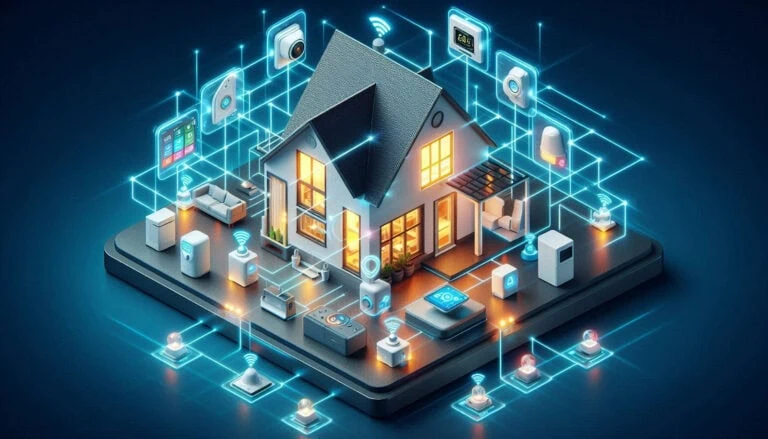
A professional smart home integrator designs, installs, and supports connected home technology, including networking, Wi-Fi, lighting control, audio/video, security, climate control, energy management, and automation. Rather than treating each device separately, they design the home’s technology as one integrated system and coordinate with architects, builders, electricians, HVAC contractors, designers, and other trades throughout the project. They also provide ongoing support as the home’s technology evolves.
CEDIA’s membership is made up of thousands of technology integrators across more than 80 countries, many of whom have gone on to earn CEDIA’s globally recognized certifications. For homeowners, CEDIA can also be a helpful resource for understanding the role of a professional smart home integrator and why smart home planning should be part of the broader design and construction process.
How Does a Smart Home Integrator Work with Other Pros?
A professional smart home integrator helps bring the connected home experience together with the rest of the professionals you meet during a home project. While every project is different, many of these professionals are involved during the planning and design stages, making early coordination with smart home integrators especially valuable.
· Architect: Works with the integrator to incorporate technology, wiring, equipment locations, and infrastructure into the home’s plans before construction begins.
· Builder or General Contractor: Coordinates construction schedules so technology infrastructure is installed at the right stages and aligns with other trades.
· Interior Designer: Collaborates on the placement of keypads, speakers, displays, lighting controls, and other technology so it complements the home’s design.
· Electrician: Coordinates electrical power with low-voltage systems, ensuring the home’s electrical and technology infrastructure work together.
· HVAC Contractor: Works with the integrator to connect smart thermostats, sensors, zoning, and automation for greater comfort and efficiency.
· Security Professional: Coordinates security systems—including cameras, locks, alarms, and access control—with the broader smart home system.
“Many homeowners don’t realize they should be thinking about technology before construction is complete,” said Friedman. “Involving a professional smart home integrator early gives the entire project team the opportunity to coordinate infrastructure, avoid unnecessary compromises, and create a home that’s easier to use, maintain, and upgrade for years to come.”
Successful home projects depend on collaboration among many professionals. A smart home integrator helps ensure technology is planned alongside the home’s design, coordinated with other trades, and built to adapt as homeowners’ needs change. To learn more about professional smart home integration or find a qualified integrator, visit CEDIA’s homeowner resources at cedia.org/homeowners.