

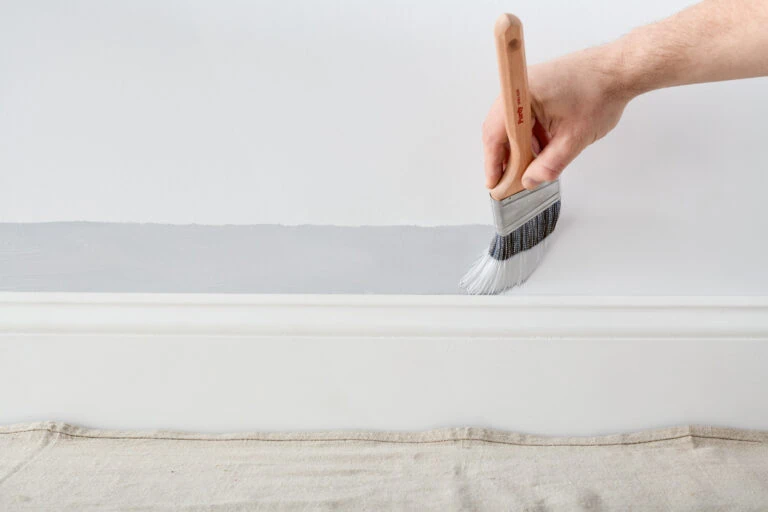
By Nick Lowe, Senior Product Manager, Purdy® Brushes
Choosing a paint color often gets most of the attention when planning a painting project. But the applicator that takes that paint from the can to the surface plays an important role in how the finished project looks.
Even high-quality paint can fall short of expectations when paired with the wrong brush. Coverage, control, brush marks and the number of coats required can all be affected by tool selection. Whether you paint professionally or are tackling a project at home, the goal is the same: match the brush to the coating, surface and task at hand. Here are five things to consider.
1. Brush filament type and the coating you’re using
One of the most common questions painters have is simple: What brush should I use with this paint?
That’s an important place to start. Specific filament and bristle types are designed to perform with different coatings. Synthetic brushes offer versatility across coating types, while natural-bristle brushes are intended for solvent- and oil-based coatings.
Beyond choosing the appropriate material, quality matters. The filament influences how the brush picks up, holds and releases paint, ultimately affecting coverage and how the finish looks on the surface. A premium paint paired with a poor or mismatched applicator may not deliver the coverage or finished appearance the painter expects.
2. The surface and texture being painted
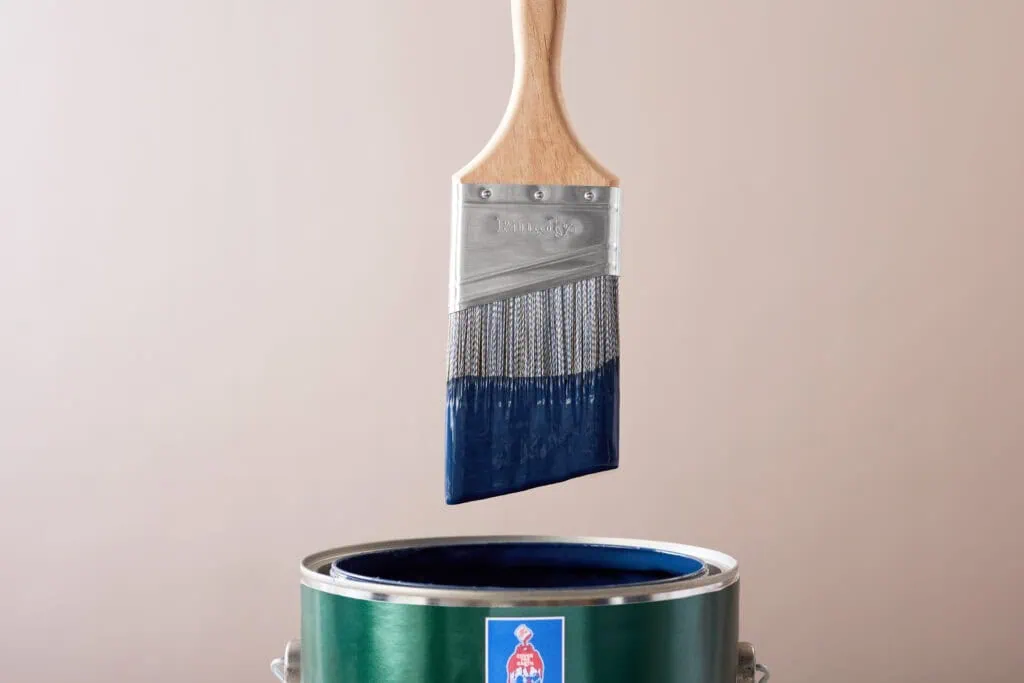
The surface itself should also factor into brush selection.
Smooth surfaces, like doors and cabinetry, benefit from brushes designed to leave a smooth, even finish with minimal brush marks. Rough or textured surfaces, such as brick or stucco, require a brush with enough stiffness and durability to work the coating into the surface effectively.
This is another area where using the right applicator can save work later. Missed areas or uneven application can mean additional coats, touch-ups, and added costs. For professionals, that lost time can affect the next job on the schedule, and their profitability. For DIYers, it can turn what was expected to be a weekend project into something much longer. Getting the tool selection right upfront can help avoid both.
3. Stiffness for the right balance of finish and control
Stiffness isn’t simply a matter of preference; it should reflect the work you’re doing.
A stiffer brush provides greater control for creating crisp lines when cutting in around windows, doors and trim and can work well with thicker coatings. Softer filaments tend to leave fewer brush marks, making them well suited to projects where an ultra-smooth finish is the priority.
Medium-stiff brushes can offer a balance of both attributes, providing enough control for precision work while still delivering a smooth finish. Ultimately, selecting the right stiffness can affect both how efficiently a painter works and the quality of the result—helping achieve proper coverage and reducing the likelihood of uneven application or unnecessary additional coats.
4. Brush size and style for the application
Different projects call for different brushes, so match the brush to the project for the best results.
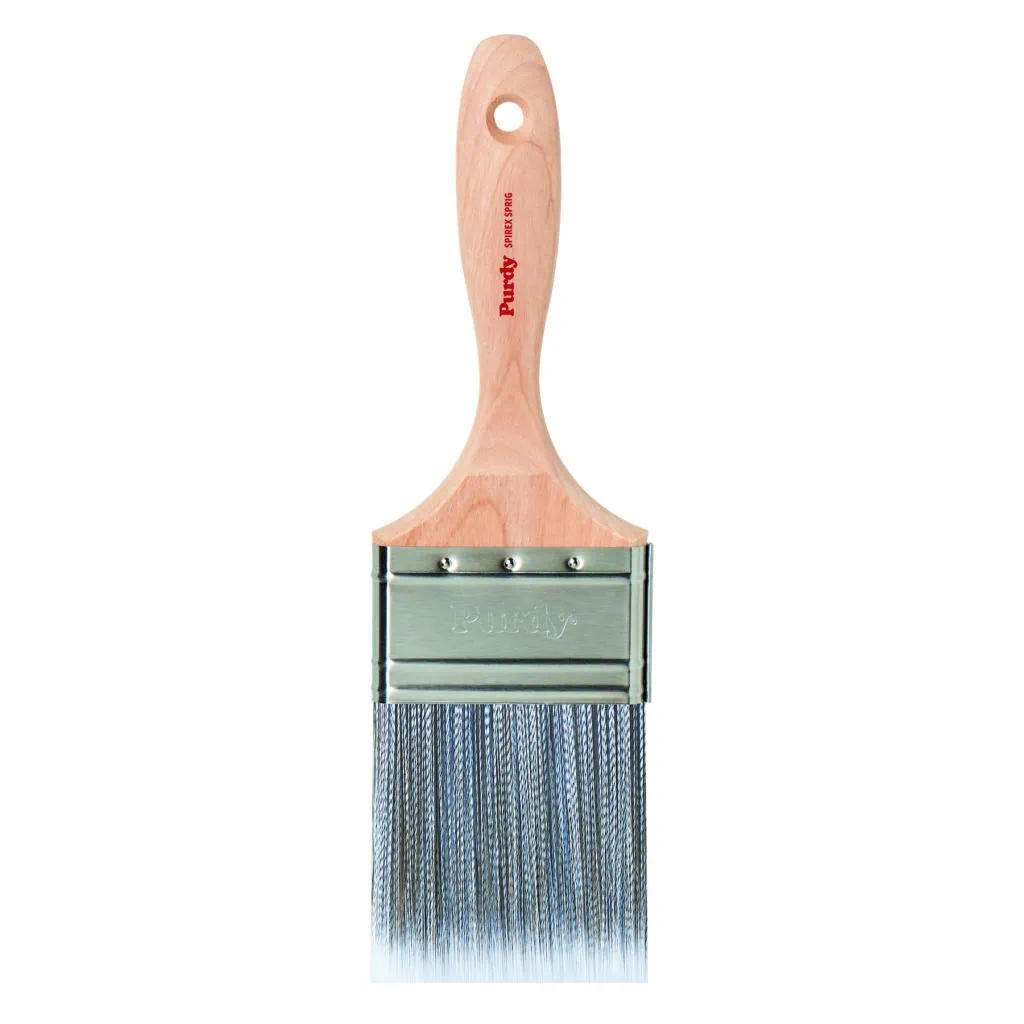
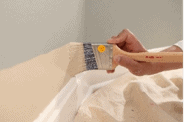
Angular brushes are designed to help painters get into corners, cut in and create clean lines along trim, ceilings and baseboards. Flat brushes are better suited for long strokes across larger, continuous surfaces.
Size is another consideration. Smaller brushes offer greater precision for detail work, while larger brushes can cover more surface area efficiently when a roller isn’t the best tool for the job. Short-handled brushes can also provide added control in cabinets, corners and other tight spaces. Matching the size and brush type to the application can make the work easier while helping produce a more consistent result.
5. Comfort and control during the project
Performance matters, but so does how the brush feels in your hand.
Different handle styles accommodate different grips and applications. Long, narrow handles can provide pencil-like control, wider handles fit more fully into the palm, and shorter handles can make detailed work easier in confined spaces.
That’s particularly important during longer projects. Painting can be more physically demanding than many DIYers expect, while professional painters may spend hours working with the same tool. A brush that feels comfortable and provides good control can help a painter maintain consistent technique throughout the project.
Bringing those considerations together
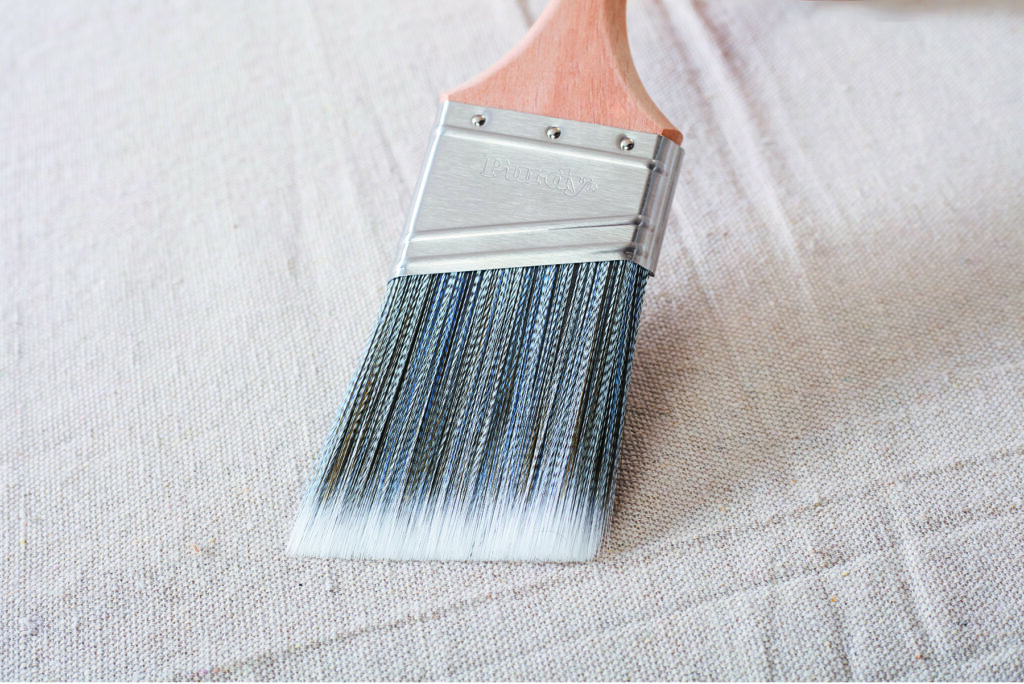
Purdy® Spirex™ is one example of how newer brush technology is bringing several of these performance considerations together.
Spirex features a patent-pending formula powered by spiral-wound filament technology. The medium-stiff Spirex filament blend is designed to combine smooth finish, coverage and control, delivering a superior smooth finish with 50% more coverage compared to Purdy® XL® when used with premium paints.
The brush is designed for precise cutting in, is compatible with all paints and stains and offers advanced cleanability. Available in an assortment of sizes and handle types, the series provides options for detailed work as well as broader applications.
And access to the brush series is expanding. In addition to Sherwin-Williams® stores, Spirex is now available at Lowe’s®, Menards® and Ace® Hardware, giving more professional painters and DIYers an opportunity to put the new technology to work.
No matter which brush you choose, the most important consideration is matching the tool to the job. Taking a few extra moments to think about the coating, stiffness, size, surface and overall feel of the brush can help make application easier—and make a noticeable difference in the final finish.