

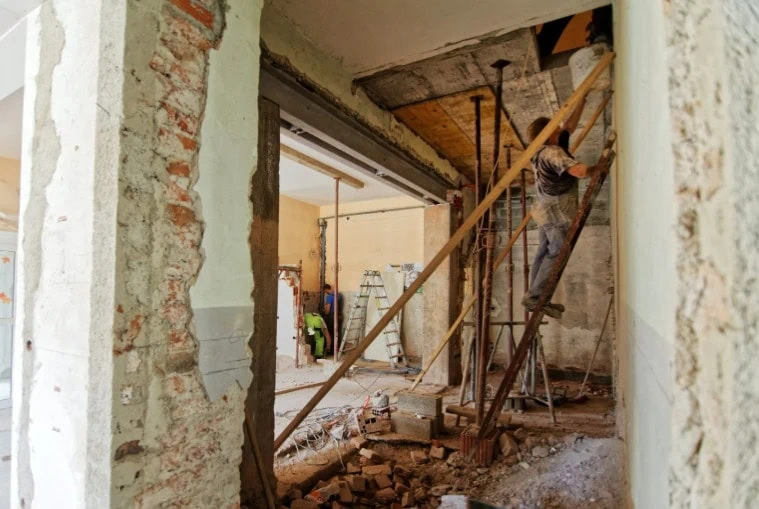
Home renovations aren’t just stressful—they’re costly when they go wrong. With the average U.S. home remodel now topping $85,000 and contractor shortages driving delays and overruns nationwide, even small missteps can snowball into massive setbacks. Industry data show that nearly one in three projects exceeds its budget or timeline, often due to avoidable errors like poor planning, hidden structural issues, or overlooked building codes. As we head into the peak fall renovation season—when projects surge ahead of the holidays—homeowners face mounting risks of blowing budgets, missing deadlines, or encountering safety hazards. Considering home repair and renovation projects often have multiple steps and sometimes come with unexpected challenges, below GreatBuildz CEO Jon Grishpul details a few hurdles to look out for.
Using Low-Quality Materials
One mistake people make is using cheap materials. While they may be more affordable, they won’t last as long. Then when they break down, you’re stuck with costly repairs. Also, keep in mind cheap materials can lower your property value. Plus, affordable products are sometimes made with harmful chemicals.
So, buy high-quality materials, such as natural stone. You can find these at places like Home Depot, Lowes, or IKEA. When choosing your building materials, consider your climate. For example, wood siding can be damaged in areas with long rainy seasons. Another thing to pay attention to is if the items are readily available. More unique pieces may take longer to deliver, extending your project timeline.
Only Measuring Things Once
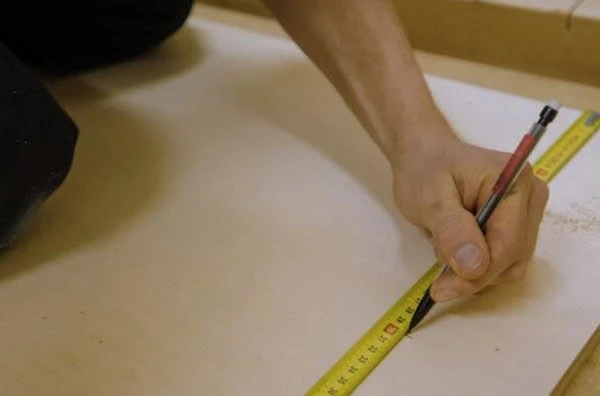
Measuring your interior and decor is essential. Improper fitting furniture can lead to reordering items. When you restock supplies, it wastes both time and money. Even a half-or a quarter-inch off can cause problems. So, double-check your measurements and write them down before ordering supplies. Suppose you hired a professional contractor. Make sure they confirm your measurements. Record the measurements on an easily accessible piece of paper. Consider buying grid paper to help you accurately draw the layout. Start by outlining the general shape of the room. Measure the space overall and start in the corner. Then record the widths and heights of doors, windows, and other openings. With these measurements, you can better figure out which items will fit properly within the space.
Not Having a Proper Budget
A budget is essential to stay on track. Without it, you may be tempted to splurge on high-end finishes. Also, knowing estimated costs ensures you’re not scrambling to find cash last minute. So, start by researching the average price of remodeling in your area. The average cost to renovate a house is about $85,000. Also, get quotes from multiple contractors and work with interior designers. When creating your budget, account for hidden expenses such as permits and clean up. If the renovation requires you to temporarily vacate, homeowners in the New England region of the United States can factor in relocation costs by getting a quote from movers in Somerville to understand what a local residential move might run. You might also try to DIY things to save costs. However, if you make a mistake, it can be expensive down the road. You can do simple projects like demolition or painting. Yet, leave the electrical and plumbing work to the professionals.
Debris removal is one of the most overlooked line items in a renovation budget. Old furniture, leftover materials, and general cleanout waste can pile up quickly, and a junk removal service like Nova Junk can haul it away so the job site stays clear. Pricing out disposal before demolition begins helps you avoid last-minute hauling costs.

Not Considering Natural Light
Natural light can make a home feel larger and more welcoming. Plus, it can boost your mood throughout the day. To add more light, install larger windows. Include these within your design plan to prevent costly changes down the road. Determine the placement of the casements to ensure they fit within the layout. Also, plan out the number of windows to have enough wall space. Natural light also adds more value to your home.

Here are a few more ways to increase sunlight within your house:
- Paint with light colors.
- Add mirrors.
- Decorate with glass materials.
- Install skylights.
- Use thinner curtain fabrics.
Skimping on Windows
Windows and doors are essential structural elements that impact interior and exterior design. Poor quality casements can wear down more quickly. Also, improperly fitted ones can cause energy leaks. Another thing to consider is older windows can decrease your curb appeal. This could potentially lower the value of your home. So, during your next renovation project, install vinyl windows with Low-E glass, which is more energy-efficient. Vinyl is also easy to maintain and lasts longer. Also, caulk and weatherstrip your casements to prevent drafts. This can reduce your utility bills as well.
Unexpected Rot
Water and moisture can get trapped within wall cavities. It can come from a burst pipe or leaky roof. Once water enters, it can damage wooden structures. This can cause a safety hazard for your family. The wet surfaces can also potentially grow mold. Then you have extra costs and project delays for repairing damage and drying the area. Therefore, have your home properly inspected before starting the renovation. See if your contractor has any recommendations for trusted companies. Also, have a professional check for pests or hazardous materials, such as asbestos.
Outdated Plumbing and Electric
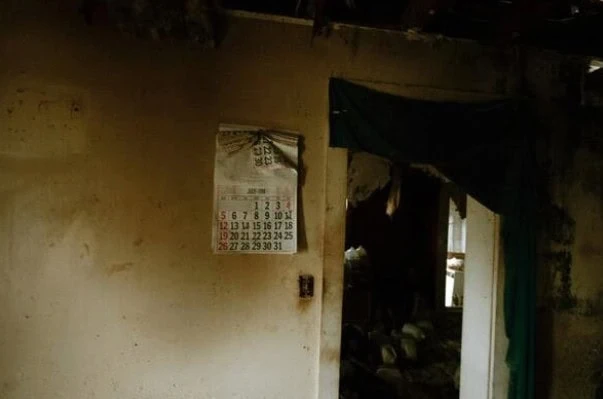
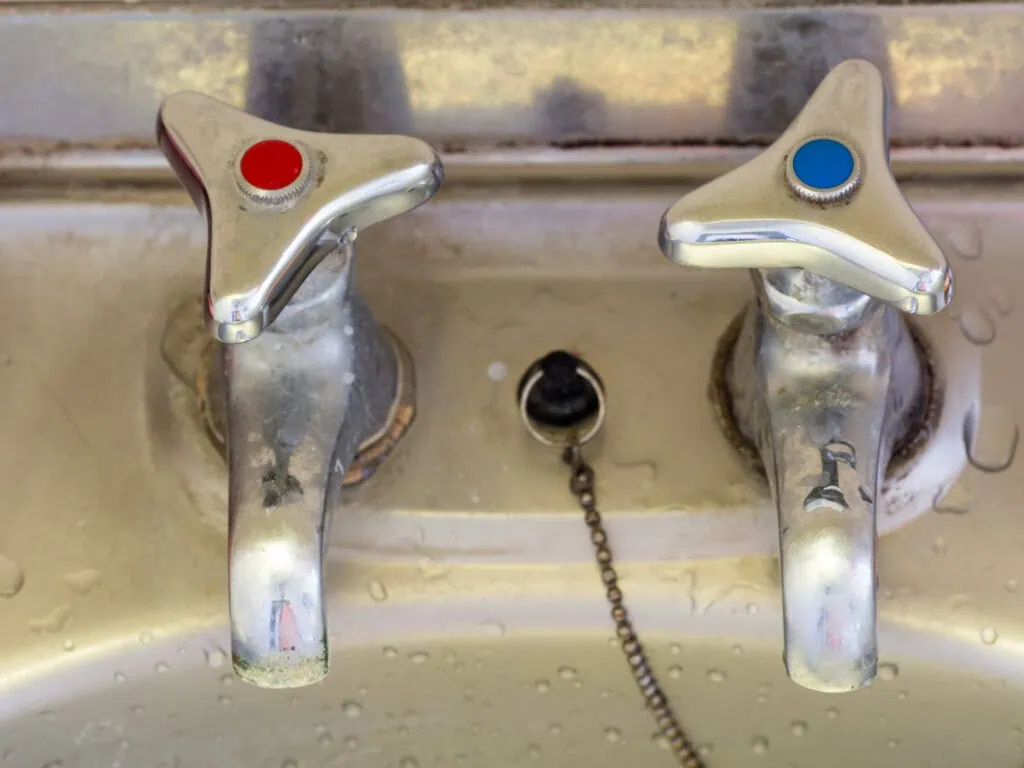
Defective plumbing can be hidden inside your walls. You might accidentally ignore it until you start demolition. Although, any loose-fitting or broken pipes will need immediate repair. These expenses can increase your budget and delay the project. You might also discover that your plumbing is too old and doesn’t meet building codes. Suppose you still have galvanized or cast iron ductwork. This may need to be updated. Another issue is any outdated electrical systems. These are often forgotten areas since they are hidden behind drywall. Keep in mind improper wiring can be a safety hazard. You also want to ensure the system can handle modern appliances and is up to code. If not, you need to make expensive replacements before continuing with the renovation project. So, have a professional inspect your plumbing and electrical before you start demolition.
Not Meeting Building Codes
There are certain regulations set by the International Code Council (ICC) for any construction project. These indicate standards for plumbing, electrical systems, and structural elements. For example, there are specific rules for where to place fire alarms. If you don’t follow the codes, you may have to redo your project or pay fines. Plus, it may make it harder to sell the house later. Start by checking with your local municipal office for specific codes. Also, ask about any local changes or modifications that have been adopted. Make sure to keep these rules in mind during the planning phase. This will ensure construction isn’t delayed.
You can also ensure safety and building standards by using high-quality tools and gear, like welding helmets and lenses from Ridge Products Welding online store. As they say, buying cheap is buying expensive, so do it right the first time.

How to Keep Your Renovation Project on Track
Renovations can create a stylish and functional space. Before completing the project, it’s essential to plan. Consider things such as your budget, material, and building codes. This ensures you can afford the materials and aren’t making too many changes down the line. Also, have your home inspected for any hidden damages. Dealing with repairs during the remodel can be costly and extend the timeline. So, follow these tips for a successful home renovation.
With extensive experience in the construction and renovation business, Jon Grishpul is Co-CEO of GreatBuildz.com—a free service that matches homeowners with reliable, pre-screened general contractors. The company, which exclusively connects homeowners with reputable contractors who have successfully passed the its rigorous screening process, also avails free access to its BidCompareAI—a home renovation contractor bid comparison tool leveraging artificial intelligence to instantly reveal hidden costs, inconsistencies across bids, lack of transparency and more for true “apples-to-apples” comparisons. GreatBuildz also provides an array of other resources for those wanting to repair or rebuild their home, including Remodeling Advisors for those needing guidance and support for any repair or issue. Jon is also Co-CEO of MaxableSpace.com, an industry-leading accessory dwelling unit (ADU ) design / build / manage platform.