
Choosing the right applicator can make or break the quality of a paint job. Below, Purdy® experts break down the fundamentals of choosing the right brush, roller and frame for any coating or surface type, helping pros and DIYers boost productivity, reduce rework and deliver flawless results.
Cutting Guesswork Out of Applicator Selection
Selecting the right color is the first step in a painting project, but don’t overlook the tools that can help make the difference between a good paint job and a great paint job. The brush, roller, frame or extension pole in your hand is every bit as important as what’s in the paint can. The right applicator will help paint lay smoothly, provide even coverage and give you a pro-like finish. The wrong applicator can leave behind streaks or a finish that falls short, creating extra work or costly repaints.
So, what goes into applicator selection? Let’s take a closer look.
Start With the Surface
Your applicator should be chosen based on the work in front of you. Take the surface type, texture and coating into consideration when selecting the right paint tool. For interior projects like walls, ceilings, trim, doors and cabinetry, your paint applicator should deliver precision and a smooth finish. Look for paint brushes with soft filaments that will leave fewer brush marks and an ultra-smooth finish. Roller covers should use premium fabric (often a woven option) that reduces lint and leaves a smooth, even finish. Woven covers are ideal for smooth walls and projects where a fine finish is the goal.
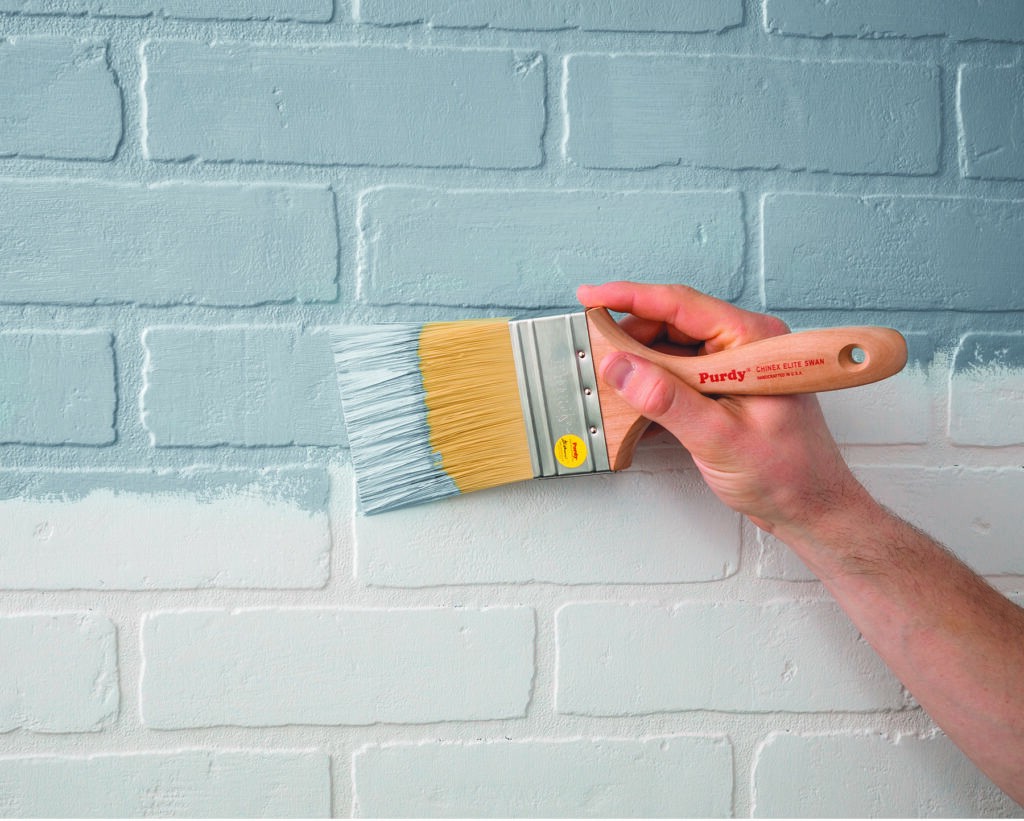
Exterior jobs on masonry, decks or concrete usually require applicators that provide durability on rough surfaces. You will need a stiff filament brush that can hold more coating and effectively get paint into grooves or porous areas. Roller covers made of knit fabrics, like polyester and lambswool, contain a high-density material that will hold and release a large amount of paint without dripping.
Different coatings also need different delivery:
- Water-based coatings: When working with high-gloss coatings, choose a soft filament brush that will leave a smooth finish. Synthetic filaments work best with latex paints, acrylics and water-based primers. Plus, with proper cleaning and care, these brushes can last for years. Paints and primers with glossier sheens are most compatible with woven roller covers that shed less lint and deliver smooth finishes.
- Oil-based coatings: Use a natural bristle brush made from materials like white China or ox hair for oil-based coatings and stains. These brushes have natural “flagging” (split tips) that hold more paint or stain and release it evenly for a smooth, consistent finish. Knit roller covers also provide good paint pickup and fast coverage. The open-knit construction holds and releases more coating, making it ideal for oil-based paints and stains, especially on rougher surfaces.
Breaking Down Brushes
Brushes are purpose-built tools, and the stiffness of the filaments used largely dictates how paint is loaded and released from their bristles. A stiffer filament brush provides crisp lines when cutting in and works best with thicker coatings and on exterior projects. Softer filament brushes provide a smooth finish with fewer brush marks and work best on interior projects. That’s why the Purdy® line is packed with options, so you never have to settle for “good enough” when a pro-like finish is within reach:
- Purdy Nylox™ brushes have soft 100% nylon filaments that provide an ultra-smooth and even finish. They work best with latex paint and primers when tackling interior windows, doors and trim.
- The Purdy XL® is great for interior and exterior projects using latex or oil-based paints, primers and stains. This medium-stiff brush is Purdy’s most versatile applicator.
- The Purdy Clearcut® Elite™ features stiffer bristles, giving you precise control for cutting in around casing or laying down a straight sash line. It’s especially handy with thick paint.
- The Purdy Pro-Extra® has a unique stiff filament blend that is ¼ inch longer than other Purdy brushes, designed to hold more paint for increased productivity.
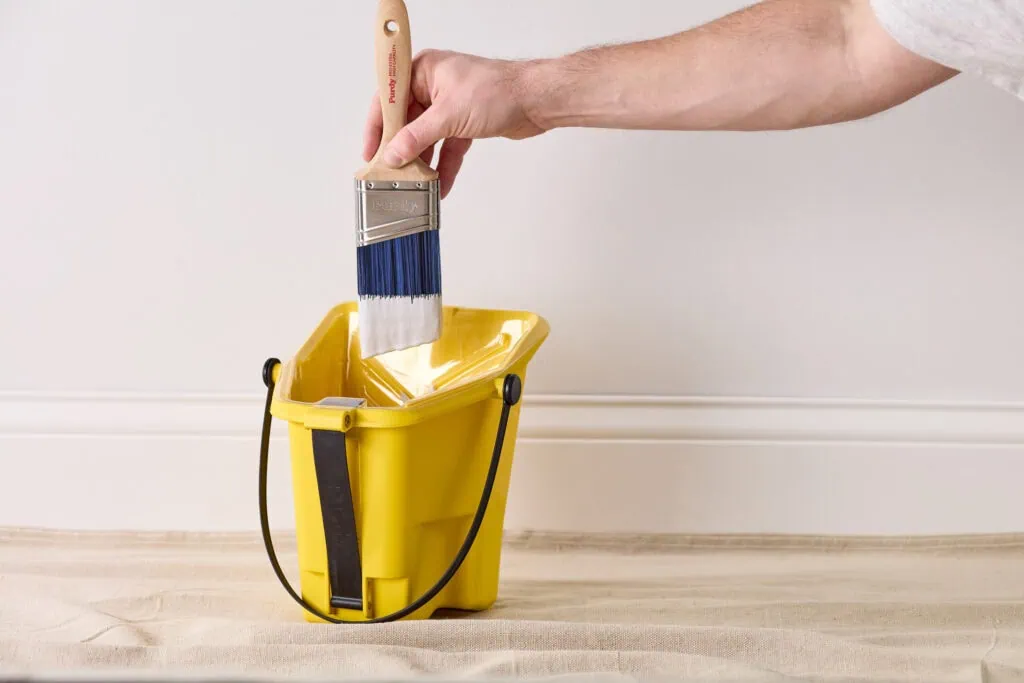
Also consider the size and style of the brush you choose before painting different surfaces. Each offers advantages that help the job go smoothly.
- Angular-style brushes work well for getting into tight corners and other hard-to-reach areas, or when aiming for crisp lines when cutting in.
- Flat-style brushes should be used on projects that require long strokes on large continuous surfaces like windowsills or trim.
- Large-sized brushes cover greater surface area more efficiently when a roller cover isn’t ideal, like on fences or curved surfaces.
- Short-handled brushes are ideal for painting in cramped spaces like corners, cabinets and trim. Purdy Cub™ brushes, for example, feature short, lightweight handles that provide better control when doing precision work in tight spaces.
Rolling on
With rollers, it all starts with fabric. How it’s woven or knitted determines how much paint it holds, how smoothly it releases and whether it keeps its shape the longer it’s used.
- Woven fabrics use a tight weave that cuts down on lint while providing an exceptionally smooth finish. The Purdy WhiteDove™ roller cover works with latex or oil-based coatings in any sheen and is perfect for drywall or trim.
- Knitted fabrics hold more paint and cover larger areas faster but do leave some stipple. The Purdy Marathon® is a knitted nylon/polyester blend cover that’s best for semi-rough to rough surfaces like textured walls, wood siding and decks.
- A microfiber/polyester blend is engineered for an ultra-smooth finish with increased hide and coverage. Ideal for semi-smooth to semi-rough surfaces like drywall, doors and floors, the Purdy Altitude™ roller cover offers a smooth finish with 50% more coverage compared to WhiteDove when used with premium paints.
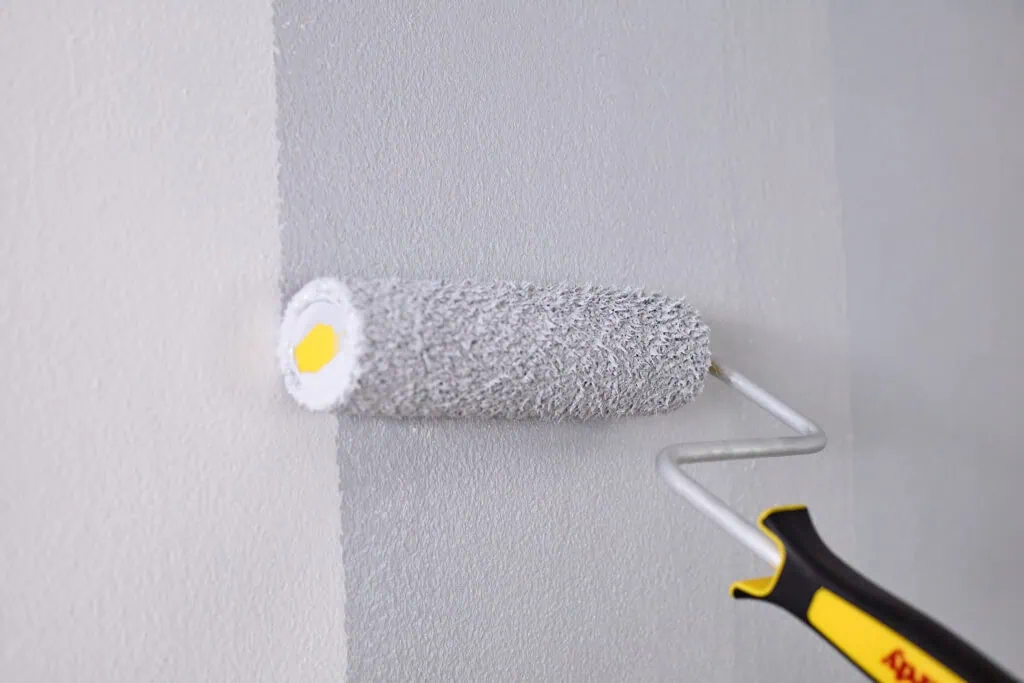
Surface texture and general environmental factors, including temperature and humidity, should also sway your selection. Roller cover nap sizes, or the length of the fibers, vary from low to high based on the surface you are painting. For uniform interior surfaces like cabinets and doors, use smaller nap sizes—commonly ¼ inch. Walls, ceilings and paneling require a slightly larger nap size of 3/8 inch. For lightly textured walls, decks and concrete, use a ½-inch nap. And for textured ceilings and stucco, use ¾ inch.
For outdoor jobs, or when painting rough indoor surfaces such as masonry and brick, look for covers with a higher nap—generally 1 inch—that will give you greater paint pickup and have an easier time reaching nooks and crannies.
Framing Up Poles
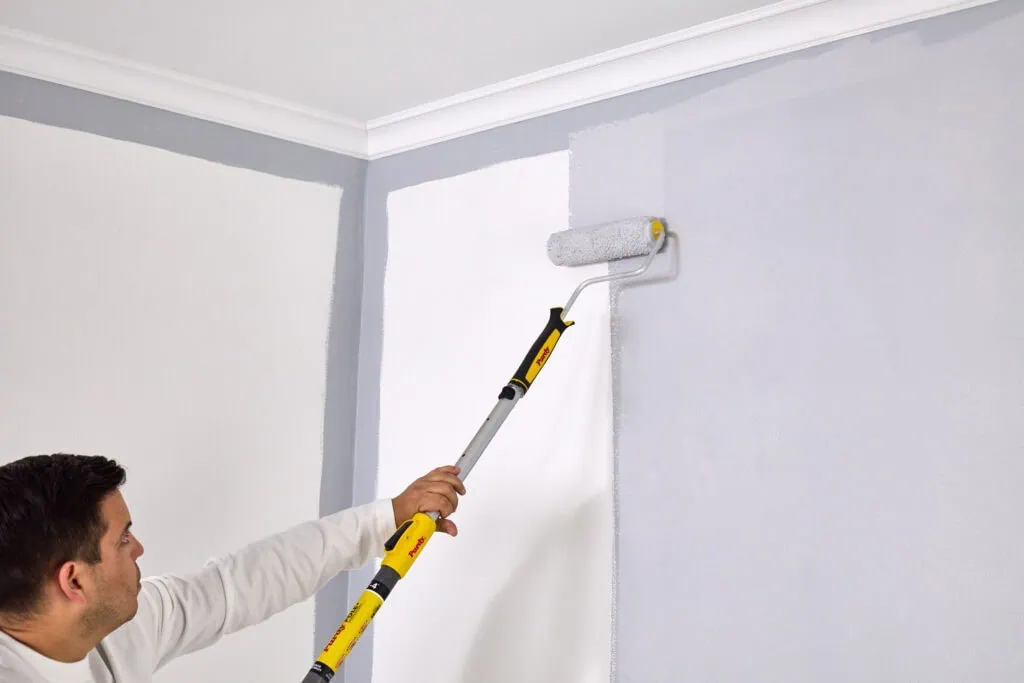
To get the most out of your roller cover, it’s essential to have a roller frame and extension pole that keep the cover tight, steady and rolling smoothly. That’s what allows for consistent paint flow, and consistent flow is key to achieving a superior finish.
A quality frame helps maintain consistent application. The Purdy Revolution™ 9″ Frame is one example of a sturdy yet lightweight design that also features a comfort-grip handle, helping reduce arm fatigue. When painting large walls, reach for the Revolution 14″ Frame or Revolution 18″ Frame so you can boost efficiency by covering more surface area in less time. All Purdy Revolution Frames feature a one-click Quick Connect system that pairs with Purdy extension poles, making it fast and secure to attach or switch poles without breaking your workflow.
With extension poles, you want secure control at any height. Avoid flimsy, thin-walled designs that can flex during use, leaving wavy lines on walls or ceilings, or that don’t deliver even coverage. The Purdy Pole+ features a reliable and secure pin locking mechanism that’s adjustable every three inches, providing 2x the adjustability compared to the Wooster® Sherlock® GT® Pole, and has increased thickness for durability and application control. This precision helps keep the roller steady even when you’re pushing heavy coats overhead, which means less shoulder and back strain because you’re not overreaching.
Finishing Touch
Paint choice sets the tone for a project, but applicators decide how that paint performs once it leaves the can. Brushes, rollers, frames and extension poles bring control, coverage and comfort to the table, and the right match can mean the perfect finish. In short: Treat applicators like the essential tools they are, and they’ll return the favor in the quality of your work.