

Image Credit: Unsplash
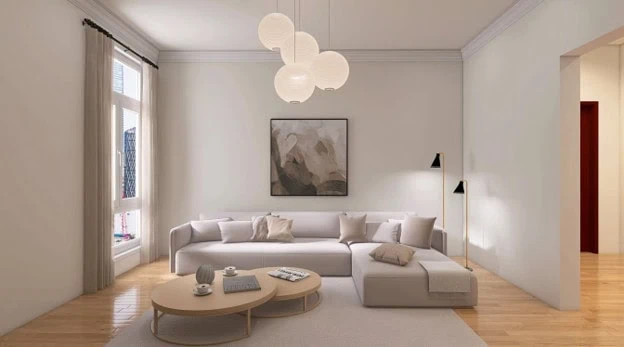
Thoughtful lighting design does more than just brighten a space; it shapes how you experience every room in your home. A single, harsh overhead light can make a room feel flat and uninviting, while a well-planned scheme adds depth, warmth, and functionality.
Creating a custom lighting plan isn’t just about picking out fixtures. It’s about strategically layering different types of light to build an atmosphere that’s both beautiful and practical. Understanding a few key principles helps you transform any room from a simple box into a dynamic and comfortable environment.
Understanding Light Layers
The foundation of any good lighting scheme is layering. Instead of relying on one central light source to do all the work, layering means combining multiple sources to meet different needs throughout the day. Think of it like painting a picture: you start with a broad wash of color (your general light) and then add details and highlights to create interest and focus.
A layered approach makes sure your room is adaptable. You can have bright, even light for cleaning or general activities, then switch to softer, more focused light for relaxing in the evening. This method gets rid of harsh shadows and dark corners, making the entire space feel larger and more welcoming. A successful plan usually brings together three main types of lighting that work in harmony.
Task, Ambient, and Accent Lighting
To build effective layers, you need to understand the three main types of lighting and what each one does. Almost every well-lit room uses a combination of them.
- Ambient Lighting: This is the main, general light for the room. It provides a comfortable level of brightness without glare and acts as the base layer. Sources for ambient light include recessed can lights, ceiling-mounted fixtures, chandeliers, and even natural light from windows.
- Task Lighting: This is focused light directed at a specific area where you’re doing something. It prevents eye strain and makes activities easier and safer. For example, under-cabinet lighting in a kitchen, a reading lamp beside an armchair, or a desk lamp in a home office are all task lights.
- Accent Lighting: This is directional light used to draw attention to a particular object or architectural feature. It adds drama and visual interest to a room. You can use accent lights to highlight artwork, a textured stone wall, houseplants, or built-in shelving. Track lighting, picture lights, and wall-mounted spotlights are common types of accent lighting.
Integrating Decorative Fixtures
Lighting fixtures aren’t just practical; they’re a crucial part of your room’s decor. The style, material, and size of your lights contribute a lot to the overall look and feel. A modern, minimalist pendant creates a very different feeling than a traditional crystal chandelier. This is where you can really show off your personal style.
When choosing fixtures, think about how they fit with your existing furniture and finishes. Materials like metal, glass, and natural fibers can add texture and sophistication. For example, a pair of elegant brass wall lights flanking a fireplace can provide soft ambient light and also be a stunning decorative accent. Pendants over a kitchen island give you necessary task lighting while also acting as a central design feature. Don’t be afraid to mix and match styles, as long as there’s a common element like color or finish to tie them together.
Switches and Dimmers for Control
How you control your lighting is just as important as the fixtures themselves. Dimmers are one of the most powerful and cost-effective tools for creating a flexible lighting scheme. Installing dimmers on your ambient and accent lighting lets you instantly change the mood of a room, from bright and energetic to low and intimate.
Consider putting different layers of light on separate switches. This gives you precise control over the environment. For instance, in a living room, you might have one switch for your overhead ambient light, another for accent lights on the bookshelf, and a third for a reading lamp. For even greater control, smart lighting systems let you create and save lighting “scenes” that you can activate with the touch of a button or a voice command, perfectly setting the stage for activities like watching a movie, hosting a dinner, or winding down for the night.
Energy-Efficient Lighting Solutions
Creating a beautiful lighting plan can also be a chance to reduce your home’s energy consumption. Modern LED lighting has completely changed home illumination, offering incredible efficiency and longevity compared to older incandescent bulbs. LEDs use up to 90% less energy and can last 25 times longer, saving you money on both your utility bills and replacement costs over time.
When shopping for bulbs, pay attention to both brightness (measured in lumens) and color temperature (measured in Kelvins). A lower Kelvin number (around 2700K) produces a warm, yellowish light that’s great for living rooms and bedrooms. A higher number (3000K-4000K) produces a cooler, whiter light that works well for task-oriented spaces like kitchens and bathrooms. Choosing ENERGY STAR certified products ensures they meet strict efficiency and performance criteria.
A thoughtful lighting scheme is a project that provides immediate and lasting rewards. By layering ambient, task, and accent light, you can craft spaces that are not only functional but also full of character and comfort.