

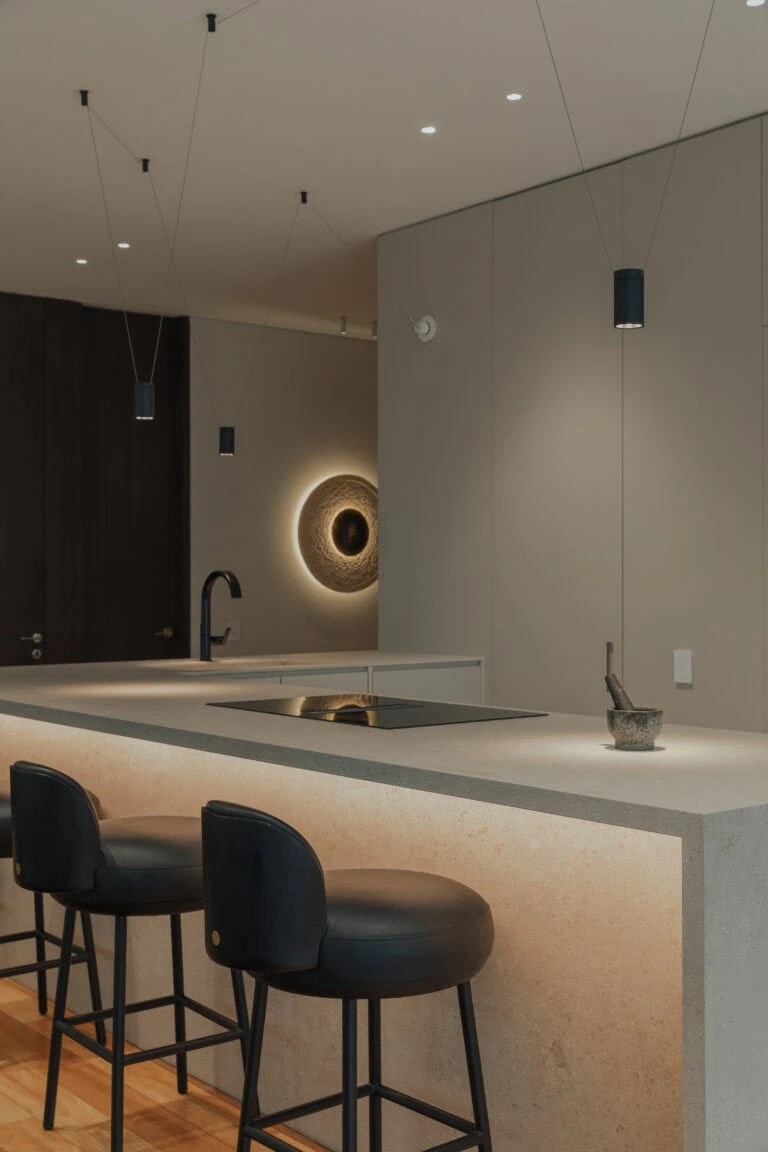
CEDIA shares how smart lighting systems can support healthier routines and enhance comfort at home
As homeowners increasingly prioritize wellness in their living spaces, smart home technology has evolved beyond convenience and entertainment to support healthier living and daily routines. One area gaining momentum is circadian wellness – the practice of aligning the body’s internal clock, or circadian rhythm, with natural daily patterns like waking, focusing, relaxing and sleeping.
Light plays a crucial role in regulating the body’s circadian rhythm. Exposure to excessive artificial light at the wrong times of day can disrupt this rhythm, potentially causing daytime sleepiness or difficulty falling asleep at night. Many consumers may already be familiar with smartphone features like “Blue Light Filter” or “Night Mode,” which are designed to reduce blue light exposure from screens in the evening.
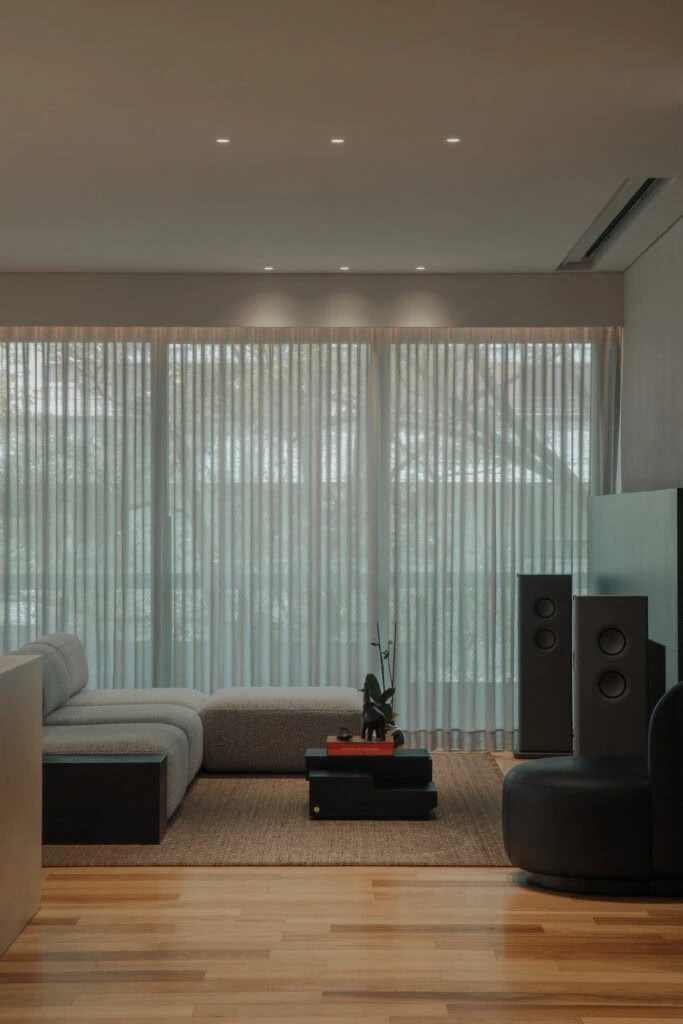
Smart home circadian lighting systems take this concept a step further by supporting the body’s natural sleep-wake cycle through dynamic lighting that changes throughout the day, providing bright, blue-toned light in the morning to promote wakefulness and warmer, dimmer tones in the evening to help signal that it is time to prepare for sleep. Lights can be programmed to only dim and brighten in areas of the home that are being used, such as the bedroom in the morning or a living room in the evening. In addition to supporting healthier routines, many homeowners also enjoy the increased comfort and ambiance that warmer, dimmer lighting can create in the evening.
“We’ve seen a sharp increase in homeowner awareness around the impact of light on sleep, mood and productivity,” said Daryl Friedman, global president and CEO of CEDIA, the Association for Smart Home Professionals™. “Smart home professionals can help homeowners create personalized environments that support circadian wellness through lighting routines tailored to their lifestyles and sleep patterns.”
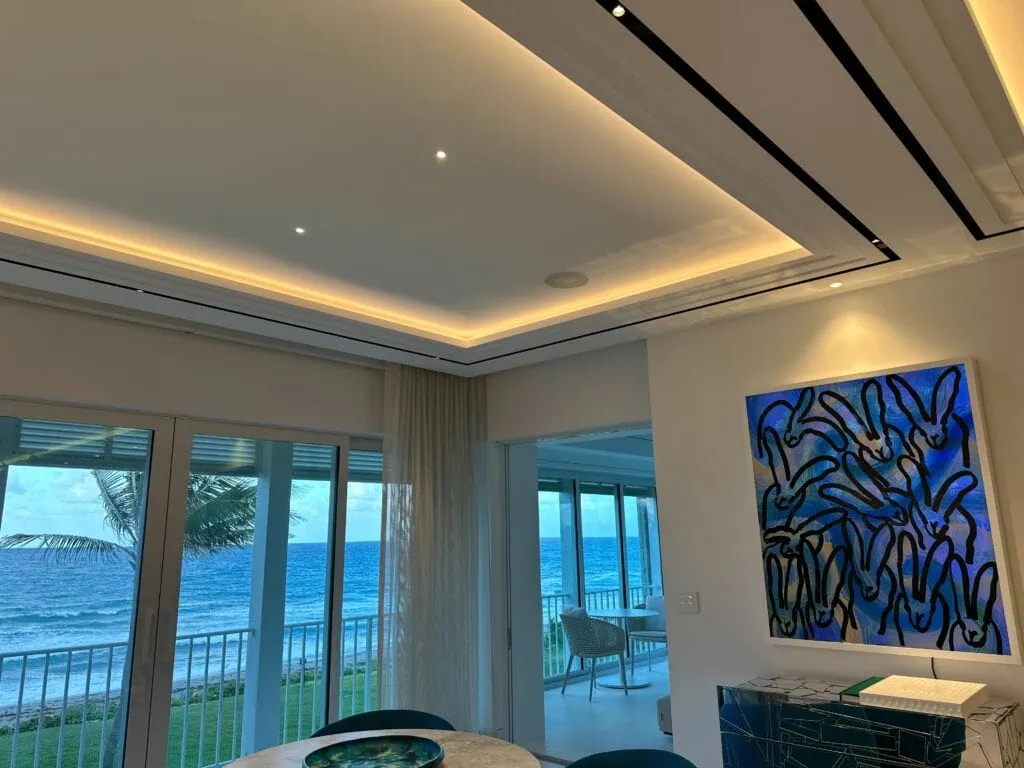
By working with a qualified smart home integrator, homeowners can explore technologies that help support circadian wellness while also enhancing comfort and ambiance throughout the home, including:
Tunable Smart Bulbs: Smart bulbs can be programmed to shift from cool to warm white light throughout the day to replicate natural daylight patterns. These systems can deliver bright, energizing light in the morning and softer, warmer tones at night.
Automated Blinds and Shades: Smart shading solutions can be programmed to automatically open and close based on the time of day, helping homeowners maximize natural daylight exposure. These systems can also work in tandem with smart lighting to create more balanced indoor lighting environments.
Whole-Home Lighting Systems: Taking it a step further, professionally installed whole-home lighting systems tie these elements together by coordinating lighting, shading and other smart home technologies to create personalized wellness environments tailored to a homeowner’s lifestyle. For example, a system can dim lighting and adjust room temperature simultaneously as part of an evening wind-down routine.
Security Lighting: Smart lighting systems can also integrate with home security features, allowing homeowners to automate lighting based on activity around the home. For example, driveway or porch lights can automatically turn on when motion is detected late at night, or interior lights can be programmed to turn on and off when homeowners are away to stimulate everyday routines.
“Smart lighting technology is helping homeowners think differently not only about the role lighting plays in wellness, but also about how smart home technology can support healthier lifestyles overall,” said Friedman. “By working with a qualified smart home professional, homeowners can explore additional technologies designed to support healthier routines and enhance quality of life.”
To find a professional smart home integrator who can design a system that encourages circadian wellness, visit cedia.org/homeowners.