

A well-built deck is a solid investment, with homeowners able to recoup about 95% of the cost of building a new wood deck and 89% of a composite deck when it comes time to sell, according to the latest Cost vs Value Report from Journal of Light Construction. But protecting that investment means paying attention to what’s happening below the boards.
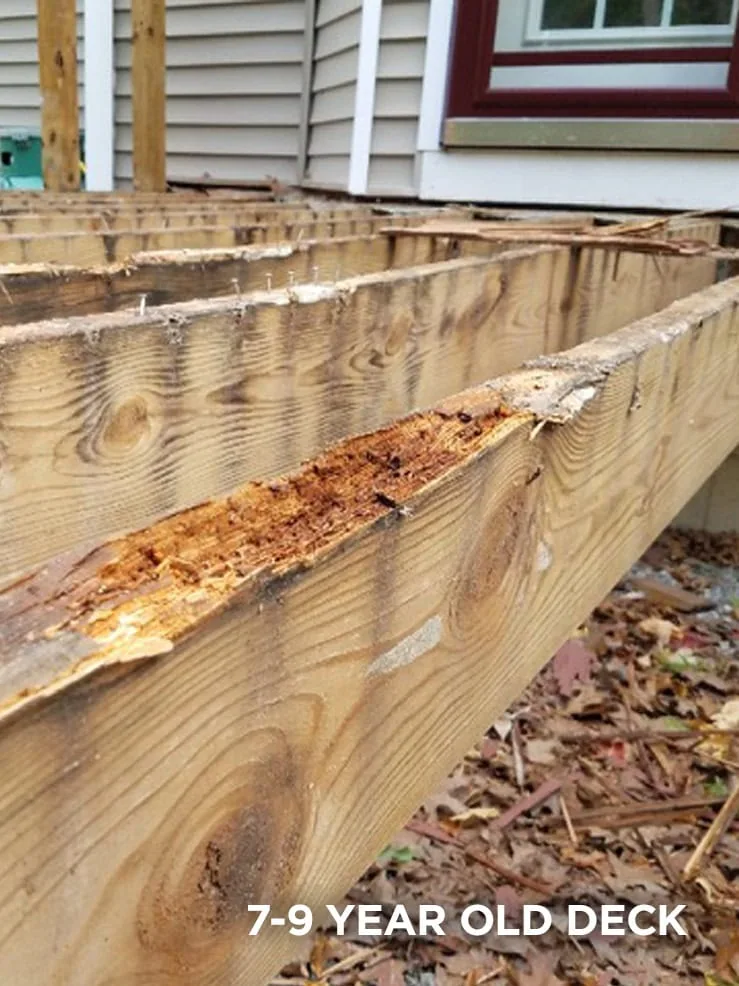
Most deck problems don’t start at the surface – they begin in the framing. Moisture that seeps into joists and fastener holes can lead to rot long before the decking shows signs of wear. One simple step that can make a big difference is investing in deck joist tape.
Extend the Life of Your Deck
Did you know that a wooden deck substructure can start to show signs of decay in as little as 8 years, even with treated lumber? Water that seeps through the decking and onto the framing can cause hidden damage unless beams and joists are properly protected.
The tiny cracks that form around screws and fasteners are primary pathways for wood rot, but for a few extra dollars deck framing can be protected by a peel-and-stick flashing tape that seals the joists and beams from moisture and ultimately, irreparable damage.
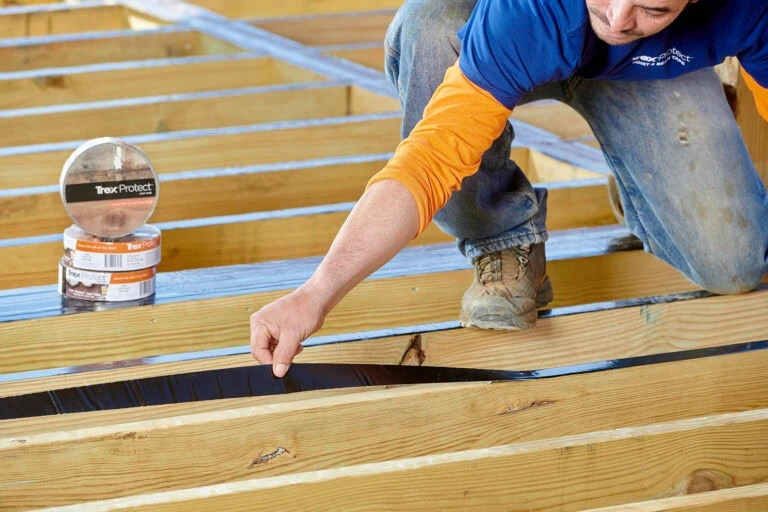
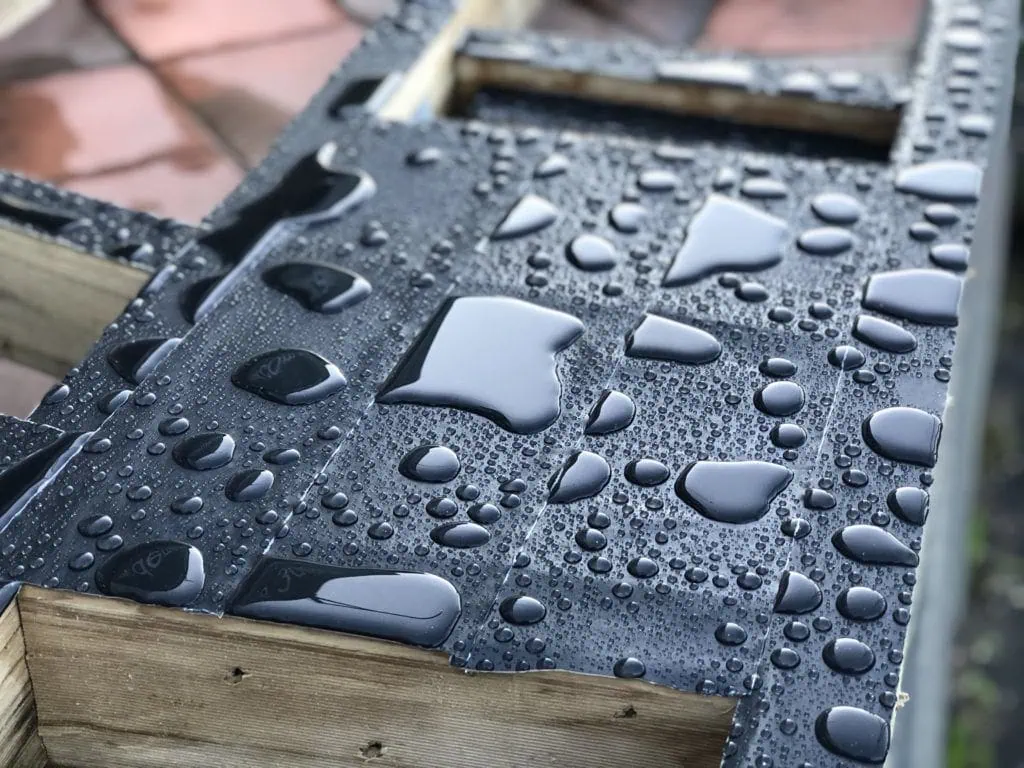
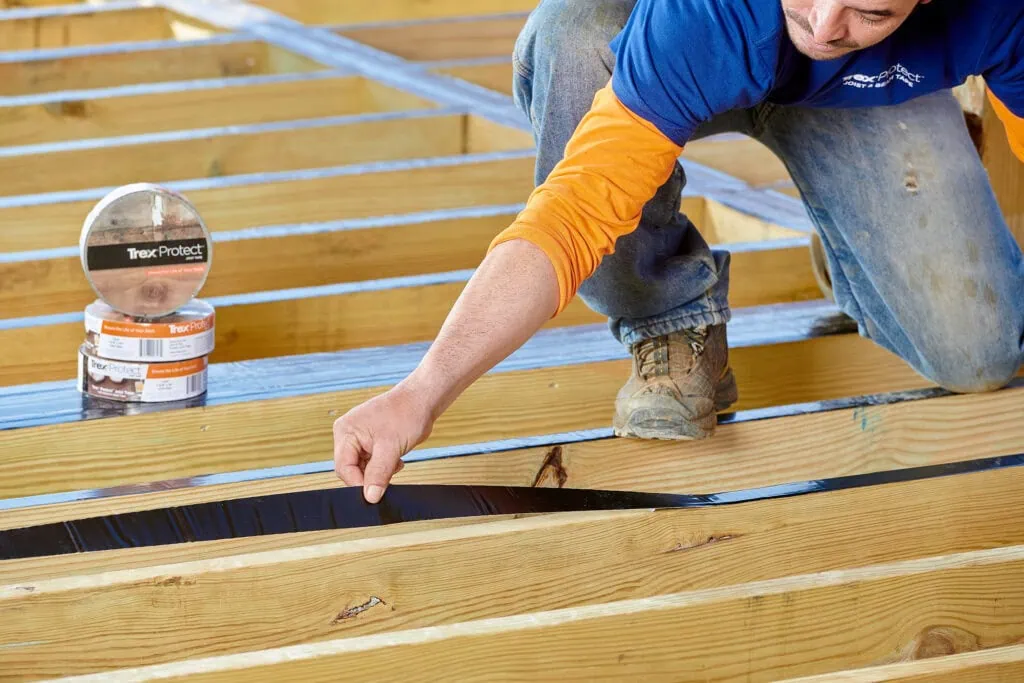
High-quality joist flashing tape – sometimes called deck joist tape or joist flashing tape – such as Trex® Protect protects the top of the joists, beams, and rim joists from developing rot and wood decay. This tape will keep water out and help seal around screw holes, metal fasteners, and hidden deck fasteners to prevent cracks and corrosion.
Which Type of Joist Tape is Best?
Joist tape typically comes in three types: acrylic, butyl, and bitumen. Bitumen, made from petroleum and asphalt, will dry out over time, reducing flashing effectiveness; acrylic is a fine option, but butyl tape offers a number of advantages that make it a preferred choice among professional deck builders:
- Stronger adhesion to wood surfaces
- Resists staining and breakdown over time
- Won’t drip or “ooze” in high heat
- Can be applied in hot and cold temperatures
- Seals tightly around screws and fasteners
How to Choose the Right Flashing Tape
When looking for the right joist and beam tape for a project, there are a few things that should be considered:
- Flashing Material: Decide which material of joist tape is best for you. Keep in mind that butyl tape, such as Trex Protect, has advantages that typically allow for a tighter, and more long-term, seal.
- Installation: A self-adhesive butyl tape that lies directly on the boards and requires minimal cuts with little overlap is typically the best choice. Also, when installing, always be sure to lay the tape on a dry surface.
- Durability: When applying flashing tape to your joists and beams, you want to be sure to purchase a tape that is not too thin and not too thick for your deck boards. With thin tape, you risk the long-term durability of the tape, and thick tape can be difficult to install.
- Affordability: Cost comparisons alone may not be the right approach to selecting the best joist and beam tape. Consider the quality of the tape and how much protection it offers your deck over the long term. Proactive protection with joist tape can help prevent costly repairs, or even a full remodel, down the line.
- Reputation: There are several different brands of butyl and asphalt tape on the market, but it’s important to purchase one that can be trusted. With trusted results, a 25-year warranty and backed by Trex, the world’s #1 decking brand, Trex Protect is the leading joist and beam tape available.
Choosing the right joist tape is an important part of the deck building process to protect your investment and make the most out of your deck for years to come. Equip yourself with the right questions and knowledge to make the best decision for your deck and preserve your valuable outdoor living space in the future.